Supreme Court Lets Stand Ruling Blocking Viewpoint-Based Grant Cuts
The Supreme Court declined to hear the administration's appeal, preserving rulings that block viewpoint-based grant terminations. NIH and NSF admitted using keyword searches to cut UC awards.
Key takeaways
- The Supreme Court on Monday declined the administration's appeal without explanation; no justice dissented.
- NIH and NSF confirmed in court documents they cut grants expressing 'viewpoints disfavored by the Administration,' using keyword searches for terms like 'diversity' and 'health equity.'
- UC researchers sued in June 2025; the 9th Circuit upheld an injunction blocking the cuts in May.
- A settlement with the EPA would permanently restore $19 million in canceled UC grants, with an approval hearing next month.
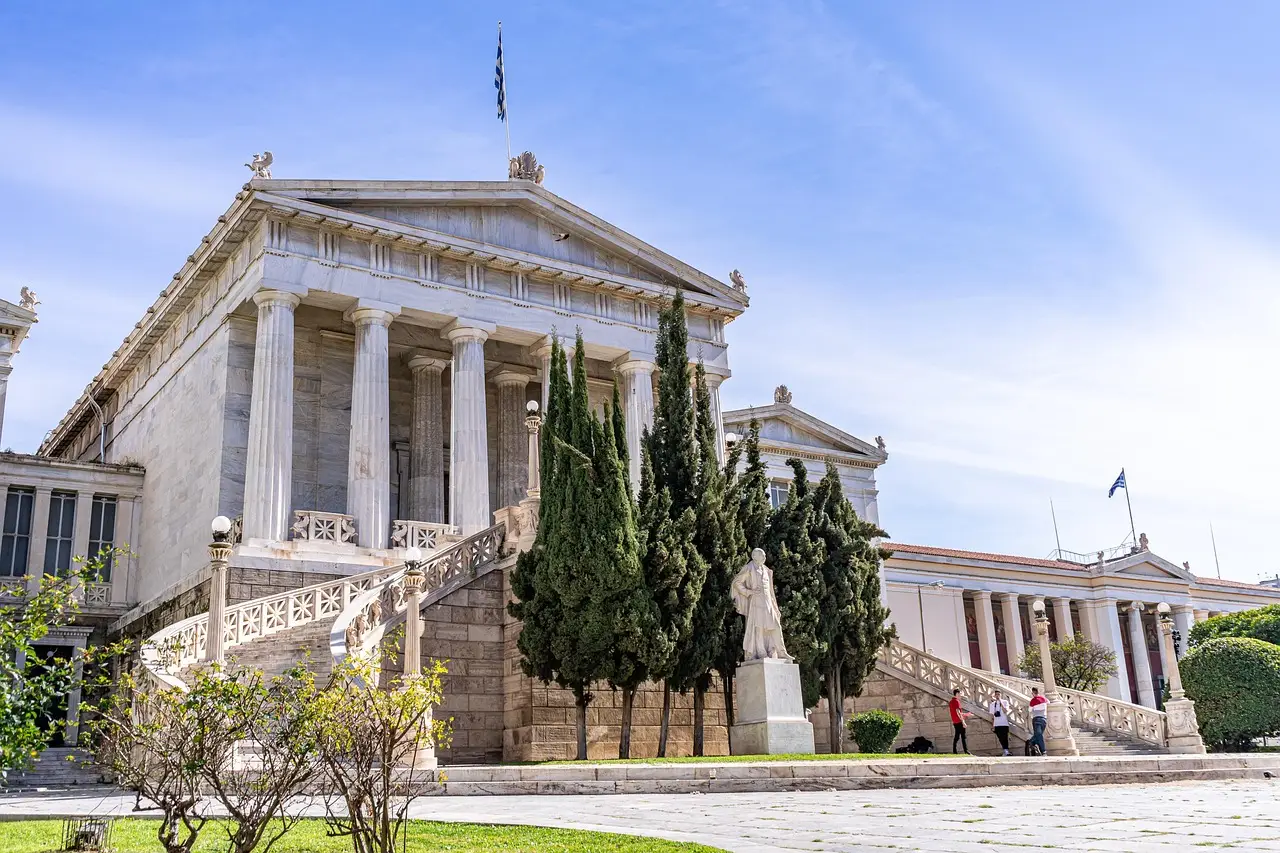
The U.S. Supreme Court on Monday declined to hear the Trump administration's appeal seeking to revive funding cuts to University of California researchers, preserving lower-court rulings that block federal agencies from terminating grants over viewpoint. No justice dissented, and the court offered no explanation for the denial.
The decision ends, for now, a legal fight that began when federal agencies started slashing research funding en masse shortly after President Donald Trump retook office — often with little warning or explanation.
What did the agencies actually do?
Court documents in the case contain an unusual admission. The National Institutes of Health and the National Science Foundation confirmed that they cut UC-affiliated grants if they "expressed, or were presumed to express, viewpoints disfavored by the Administration."
The mechanics were blunt:
- Agency staff ran keyword searches for terms such as "diversity" and "health equity."
- NIH canceled some grants simply because they had previously received diversity supplements — added funding meant to support researchers from underrepresented and disadvantaged backgrounds.
- Terminated projects spanned topics the administration opposed, from diversity efforts to green energy to pay equity.
Read that admission carefully. The agencies did not deny targeting viewpoints; they documented the practice. That concession shaped every ruling that followed.
How did the case move through the courts?
UC researchers sued in June 2025, arguing the grant terminations violated their First Amendment rights by targeting work based on viewpoint.
The administration lost. A lower court blocked the funding pulls, and in May the U.S. Court of Appeals for the 9th Circuit upheld that ruling. The federal government petitioned the Supreme Court in August.
In its petition, federal attorneys argued the appeals court's ruling "interferes with executive-branch priorities in spending taxpayer funds" and sets "dangerous precedent that will hamstring every future administration when seeking to subsidize private projects that promote view-points aligned with government policy."
The justices did not address those arguments. A denial of certiorari is not a ruling on the merits — but its practical effect here is the same: the 9th Circuit's injunction stands, and no justice publicly dissented.
One caveat for faculty reading this as a blanket protection: the Supreme Court said nothing. A future administration could litigate the underlying question again in a different case, with different facts. Monday's order settles this dispute, not the constitutional issue.
What happens to the canceled grants?
Restoration is already underway. Farella Braun + Martel, one of the firms representing the plaintiffs, said in September that its lawyers reached a settlement with the Environmental Protection Agency to permanently restore $19 million in canceled UC research grants. A hearing on the motion to approve that agreement is scheduled for next month.
Whether every agency follows the EPA's path remains to be seen. The settlement covers one agency and a defined pool of money; the broader injunction binds the agencies in the case, but restoring grants requires the federal bureaucracy to actually reverse terminations — a process with no announced timeline.
Faculty whose grants were cut for keyword matches rather than performance failures should watch two things: whether restoration arrives with the original terms intact, and whether indirect-cost rates and project periods survive the gap. The courts have restored the legal footing; the accounting comes next.
Why it matters beyond California
The case establishes, within the 9th Circuit, that federal agencies cannot condition research funding on whether the subject matter matches an administration's politics. For public research universities, that is the operative precedent. For grant-writers, it means a keyword like "health equity" in a proposal cannot, on this record, lawfully trigger termination by NIH or NSF.
The administration's warning about "hamstringing" future executives now goes untested. For researchers, the immediate question is narrower: when the money returns, and on what terms.
Higher Ed Dive (Source)
More from Elena Vasquez
Show full bio
Staff writer covering technology and product news in Faculty News is the daily press of the at Faculty News.
40 articles