Supreme Court Leaves First Amendment Ruling Shielding UC Research Grants
The Supreme Court declined to hear Trump's appeal, leaving intact rulings that the terminations of UC grants tied to DEI likely violated the First Amendment.
Key takeaways
- Supreme Court declined the case Monday, leaving a 9th Circuit preliminary injunction in place
- Over $324 million in University of California grants were cut between January and June 2025
- About $59 million remains on the NSF and NEH grants at issue, expiring as late as November 2029
- Judge Rita Lin ordered reinstatement in June 2025 and certified a provisional class
- Agencies used keyword searches for terms like 'diversity' and 'climate change' to cut awards
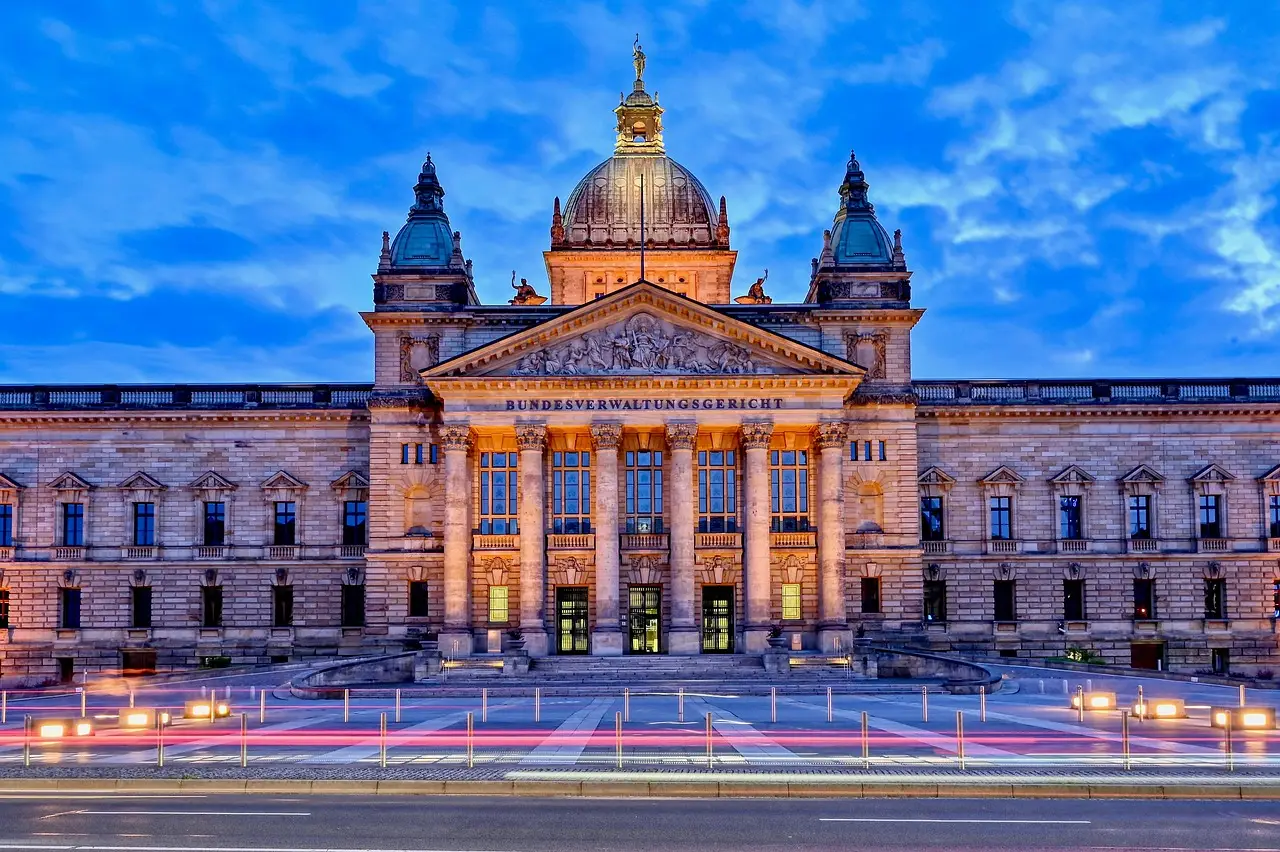
The Supreme Court on Monday declined to hear the Trump administration's appeal over terminated research grants, leaving intact lower-court rulings that found the cancellations likely violated the First Amendment. For the University of California researchers at the center of the case, the decision means roughly $59 million in federal awards from the National Science Foundation and the National Endowment for the Humanities remains protected.
The justices turned away the case without explanation, a routine but consequential move. It lets stand a preliminary injunction (a court order freezing the disputed action while litigation proceeds) issued by a federal district court and upheld by the U.S. Court of Appeals for the 9th Circuit.
The case began in the first days of President Trump's second term, when he signed executive orders instructing federal agencies to cancel grants tied to topics his administration opposed, chief among them diversity, equity and inclusion. The NEH and the NSF then terminated awards to University of California researchers on the ground that the projects did not align with the president's priorities.
How did the agencies pick which grants to cut?
According to lawyers for the University of California, the answer was largely keyword searches. The two agencies screened grant applications for terms like "diversity," "climate change" and "gender ideology," then canceled awards that used them.
The scale was substantial. From January to June 2025, the Trump administration cut off more than $324 million in grants to the University of California system alone, the university's lawyers said.
Researchers began receiving termination letters in April 2025. Several months later, six University of California researchers holding grants from the Environmental Protection Agency, the NSF and the NEH filed suit and sought a court order requiring reinstatement of their funding.
What did the lower courts decide?
A federal district court sided with the plaintiffs in June 2025. Judge Rita Lin found the administration had terminated grants en masse for touching on issues it deemed prohibited, and she ruled the funding was likely cut because of the perceived viewpoint expressed in the research. She ordered the administration to reinstate grants from the NSF, NEH and EPA.
Lin also certified a provisional class — a procedural step letting similar claimants sue collectively — covering University of California researchers whose grants were terminated under the executive orders targeting DEI-related initiatives.
The 9th Circuit upheld her preliminary injunction in May and agreed that the terminations likely violated the First Amendment's prohibition on viewpoint discrimination. The administration, the appellate panel wrote, "has not merely exercised its power to choose the programs it funds but has instead terminated individual grants in existing programs based on the perceived viewpoints of individual speakers."
That sentence is the legal heart of the case. The government may choose which programs to create and fund; it may not, the courts concluded, pull existing awards because it dislikes a researcher's perceived politics.
What changes now that the appeal is dead?
Practically, the injunction stands and the grants flow again — at least until the litigation concludes. While the case proceeded, the plaintiffs reached a settlement covering the EPA grants, leaving only the NSF and NEH awards at issue. The administration said approximately $59 million remains on those grants, which run as late as November 2029.
The Justice Department had warned the justices that letting the 9th Circuit's decision stand would clear the way for taxpayer dollars to fund research promoting DEI initiatives. The Supreme Court's refusal to take the case leaves that argument unanswered at the appellate level, and the lower-court reasoning intact as binding precedent in the 9th Circuit.
For faculty whose federally funded work intersects with charged terminology, the stakes are straightforward. The terminations here weren't targeted peer-review decisions; they were, per the record, keyword-driven. A viewpoint-based cutoff, two courts have now said, crosses a constitutional line.
The bottom line for grant writers and faculty senators alike: existing awards can't be revoked simply because an administration objects to the words in them — at least not in the Ninth Circuit, and not in this case.
Google News · Research Funding (Source)
More from Tom Whitfield
Show full bio
News editor covering technology and product news in Faculty News is the daily press of the at Faculty News.
38 articles