UNR Med Researcher Lands First NIH R01 for Gastroparesis Study
Rajan Singh won his first NIH R01 from NIDDK to test whether gut-resident macrophages drive gastroparesis — built on 2024 Redfield-funded Springboard seed money.
Key takeaways
- Singh received his first NIH R01 from NIDDK in September 2026 after applying in October 2025.
- Springboard Science and Research Fund seed support, funded by the Redfield Foundation, was awarded in 2024.
- The project studies gut-resident macrophage regulation of gastric dysmotility and barrier dysfunction in gastroparesis.
- Methods include genetic models, single-cell analyses and human biopsy samples from clinical collaborations.
- The work builds on Singh's prior research published in the journal Gastroenterology.
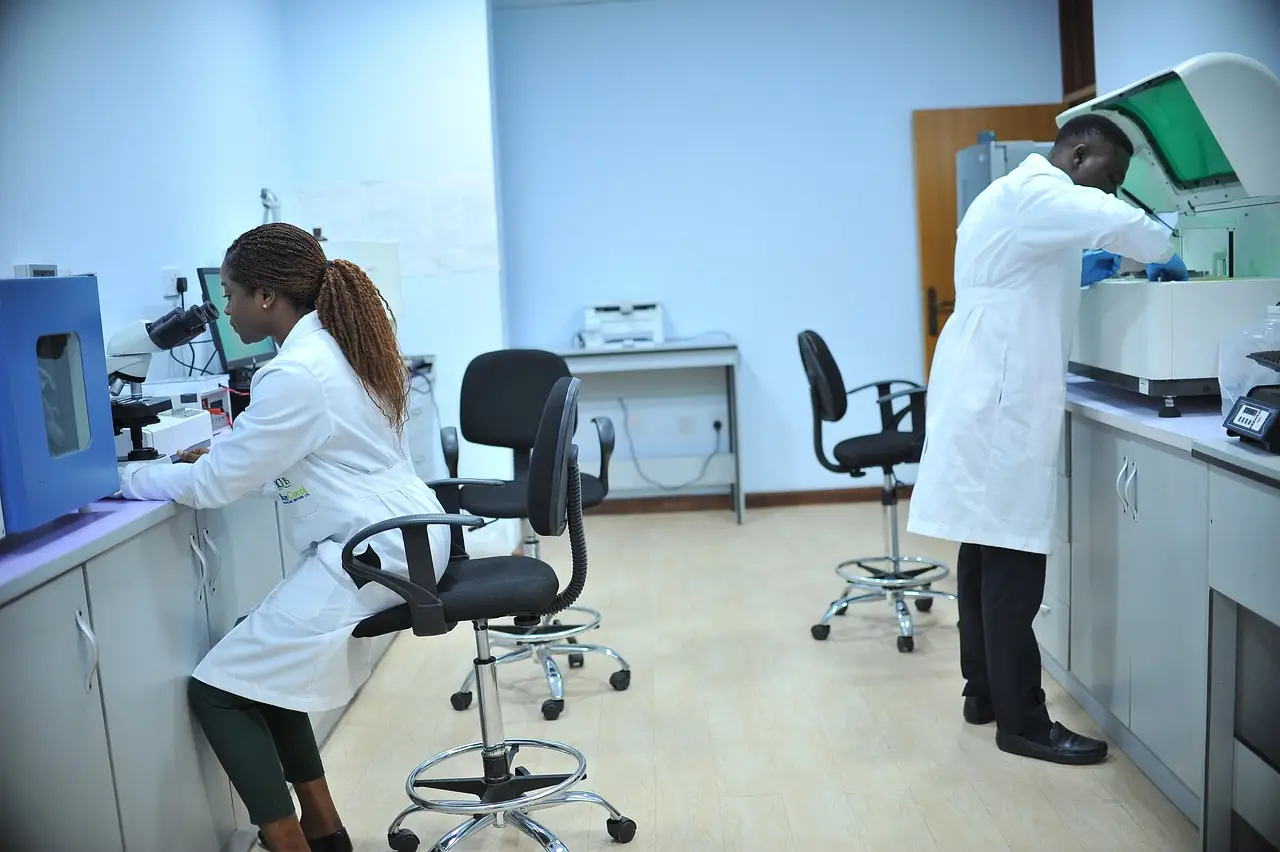
Rajan Singh, Ph.D., assistant professor of research in the Department of Physiology and Cell Biology at the University of Nevada, Reno School of Medicine, has received his first NIH R01 award — roughly two years after a modest internal seed grant made the application possible.
The National Institute of Diabetes and Digestive and Kidney Diseases will fund his project, "Gut-resident macrophage regulation of gastric dysmotility and barrier dysfunction in gastroparesis." Singh serves as sole principal investigator.
Gastroparesis is a gastric neuromuscular disorder in which the stomach empties food slowly without any mechanical blockage. Patients report nausea, painful fullness and bloating for hours after eating. Current treatments manage symptoms; they do not touch the underlying biology that may drive the disease.
"To develop better treatments, we first need to understand how the healthy stomach works and, just as importantly, what happens to those cells when disease strikes," Singh said.
How did seed money become federal funding?
The award traces back to UNR Med's Springboard Science and Research Fund, a program funded by the Redfield Foundation that helps early-career investigators generate the evidence base needed to compete for external grants. In 2024, Springboard funded Singh's work on how microRNA may regulate gut-resident macrophages in gastroparesis.
That support let him strengthen preliminary findings, sharpen the hypothesis and assemble data for a federal application. He expanded the work over the following year, submitted the R01 to NIDDK in October 2025 and received funding in September 2026.
"The Springboard Research Award came at a critical stage in the development of this project," Singh said. "It gave us the opportunity to strengthen the preliminary evidence, refine the biological hypothesis and build the foundation needed to compete for federal funding."
He added: "There is often a gap between having an innovative idea and having enough evidence to compete successfully for major federal funding. Strategic seed funding helps bridge that gap."
The takeaway for faculty chasing their first R01: internal bridge funding, not the idea alone, decided the timeline here.
What will the research test?
The project centers on macrophages — immune cells that do more than fight infection. In the gut, some maintain the protective intestinal lining; others sit near nerves and the specialized pacemaker cells that coordinate stomach movement.
Prior human and experimental studies have linked changes in macrophage populations with delayed gastric emptying and damage to gastrointestinal pacemaker cells. What remains unresolved is whether those changes merely accompany the disease or actively cause it. Singh's study is designed to separate those two possibilities.
"We are beginning to understand that macrophages are not simply immune cells arriving after damage has already occurred," Singh said. "They are part of a much larger cellular communication network involving nerves, pacemaker cells, the epithelial barrier and other cells that keep the gastrointestinal tract functioning normally."
Using genetic models, physiological measurements, single-cell analyses and human tissue samples, Singh and his collaborators will pursue three questions:
- How macrophages influence gastric motility
- How they affect the gastrointestinal barrier
- Whether abnormal macrophage states can be reprogrammed to improve disease processes
Human biopsy samples obtained through clinical collaborations will connect experimental findings to what researchers observe in patients.
"Our goal is to understand how these macrophages change in disease, what those changes do to the stomach and ultimately whether we can intervene," Singh said. "If we understand the mechanism, we can begin asking whether those changes can be prevented or reversed."
What prior work does it build on?
The study extends Singh's earlier research published in Gastroenterology on microRNA regulation in gastrointestinal disorders. That work raised the question of whether microRNA-mediated changes in gut-resident macrophages contribute to gastroparesis and other forms of GI dysfunction.
The NIH project broadens the frame to how immune cells interact with the cellular networks governing motility, inflammation and barrier function.
"Gastroparesis will not be solved by looking at one cell type or one measurement in isolation," Singh said. "The opportunity now is to understand how these cellular systems interact at the neuroimmune axis and use that knowledge to move toward treatments directed at the biology present in individual patients."
If the science holds, the project could identify biomarkers of macrophage dysfunction and expose biological pathways that become targets for new therapies. Neither outcome is guaranteed; both remain hypotheses until the data arrive.
For Singh, the R01 also carries obligations beyond the bench: mentoring the next generation of scientists and building an independent program on neuroimmune, neuroepithelial and microbiota-gut-brain mechanisms in gastrointestinal disorders.
"Science rarely advances in a single leap," Singh said. "This award reflects years of experiments, setbacks, collaboration, mentorship, and persistence, and an early institutional investment that gave the idea room to grow."
The mechanism is the stake. Everything else follows from it.
Google News · Research Funding (Source)
More from Elena Vasquez
Show full bio
Staff writer covering technology and product news in Faculty News is the daily press of the at Faculty News.
40 articles