UC researchers keep NSF and NEH grants flowing after high court declines case
The Supreme Court rejected the administration's appeal over $150 million in cancelled NSF and NEH grants to UC researchers, leaving First Amendment rulings intact as litigation proceeds.
Key takeaways
- Supreme Court on Monday rejected the administration's appeal concerning roughly $150 million in NSF and NEH grants.
- The 9th Circuit had ruled the cancellations likely violated the First Amendment; funding must continue during litigation.
- Trump moved to cancel the grants after the January 2025 executive order on DEI programmes; the appeal was filed in August.
- No justice dissented from the order, and the Court gave no reasons.
- Separately, the Court declined to hear a challenge to California's unconscious-bias medical education requirement; Thomas and Alito dissented.
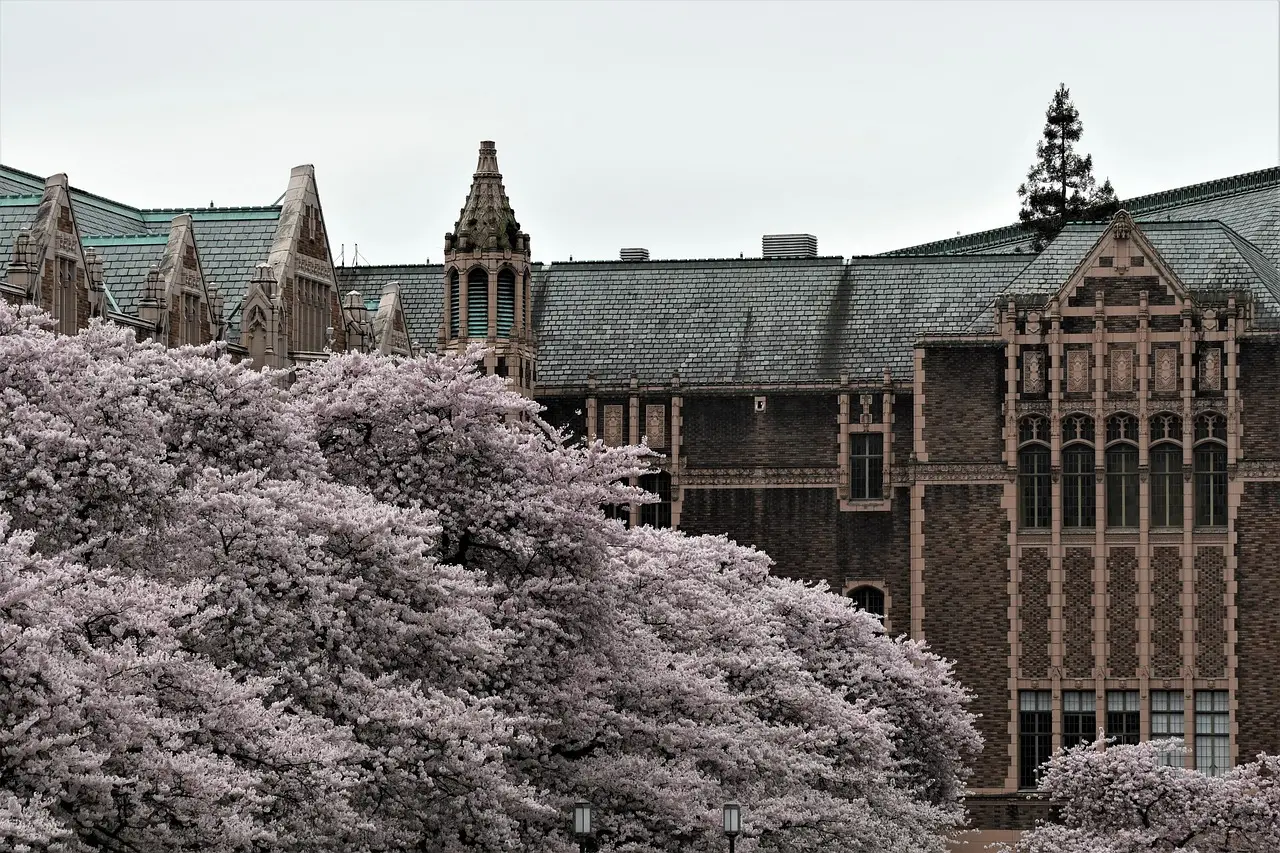
The US Supreme Court on Monday rejected the Trump administration's appeal seeking to cancel roughly $150 million in research grants to University of California researchers whose work was linked to diversity, equity and inclusion (DEI). The one-line order leaves in place a lower-court ruling that found the terminations likely violated the First Amendment, and it requires the government to keep funding the grants while the litigation proceeds.
The Court did not explain its decision. No justice publicly dissented.
What does the ruling actually settle?
For now, very little. The justices declined to hear the administration's emergency appeal, filed in August, rather than rule on the merits. The underlying dispute — whether federal agencies may terminate grants awarded through competitive, merit-based processes because of the perceived viewpoint of the research — continues in the lower courts.
The grants at issue come from the National Science Foundation and the National Endowment for the Humanities. President Donald Trump moved to cancel the funding shortly after returning to office in January 2025, under an executive order issued that same month directing federal agencies to end programmes linked to DEI.
The immediate consequence for the affected principal investigators: award money keeps flowing while the case runs its course. That is a stay of execution, not an acquittal.
What did each side argue?
The administration framed the terminations as an ordinary exercise of funding discretion.
- Solicitor General D. John Sauer, the administration's top appellate lawyer, maintained that the funding decisions did not violate the First Amendment.
- The Justice Department's appeal argued that the First Amendment "does not prohibit the government from declining to award competitive grants that fund research projects that promote DEI."
- The government asserted it was entitled to change its funding priorities and was not required to keep supporting research that no longer aligned with them.
The researchers countered that no agency had shown lawful authority to terminate competitively awarded grants on the basis of viewpoint. The San Francisco-based 9th US Circuit Court of Appeals agreed in substance, concluding that the cancellations likely violated constitutional protections.
Faculty whose grants carry indirect-cost recovery should note what the order does not do. It restores no cancelled awards beyond this litigation, sets no precedent on viewpoint discrimination, and binds no other case. The Court said nothing, and silence cuts both ways.
How wide is the exposure?
The lawsuit covers only a slice of the administration's research funding cuts. Other grant cancellations — involving billions of dollars in federal research funding — are also being challenged in courts. Monday's order offers those plaintiffs a favorable signal, but no binding protection. Agencies remain free to argue different grounds in different circuits.
A separate California case, decided the same day
In a second order issued Monday, the Supreme Court declined to hear a challenge to California's requirement that continuing medical education courses discuss how unconscious bias can affect healthcare outcomes. Three conservative justices flagged concerns.
- Justices Clarence Thomas and Samuel Alito dissented, arguing the requirement raised questions about the state's regulation of private speech.
- Justice Neil Gorsuch indicated he would have heard the case.
The two disputes remain legally distinct: the funding case concerns federal restrictions on grants, while the California case concerns a state mandate on medical education content.
For grant-writing faculty, the practical read is this: viewpoint-based termination of merit-reviewed awards survived its first test at the Supreme Court, but only by the Court's refusal to intervene — and the billions still in dispute remain undecided.
Google News · Research Funding (Source)
More from Elena Vasquez
Show full bio
Staff writer covering technology and product news in Faculty News is the daily press of the at Faculty News.
40 articles