NIH Cut $8 Million Alzheimer's Study in Its Final Year
NIH terminated an $8 million Alzheimer's study in Black Pittsburgh one year before completion, citing "not science." Researchers call it a decade-long breach of community trust.
Key takeaways
- NIH terminated the Pittsburgh study in its fifth and final year, after more than $8 million had been spent.
- NIH has awarded 2,000 fewer multiyear grants worth $200 million this year compared with 2025, per an AAMC report.
- Emory's Negar Fani lost a $2.9 million grant two years in, after enrolling 66 of 220 needed participants.
- Ann Cohen's complementary Alzheimer's study was halted after $5.2 million over three years.
- 55 percent of Black Americans believe significant memory loss is normal aging, per the Alzheimer's Association.
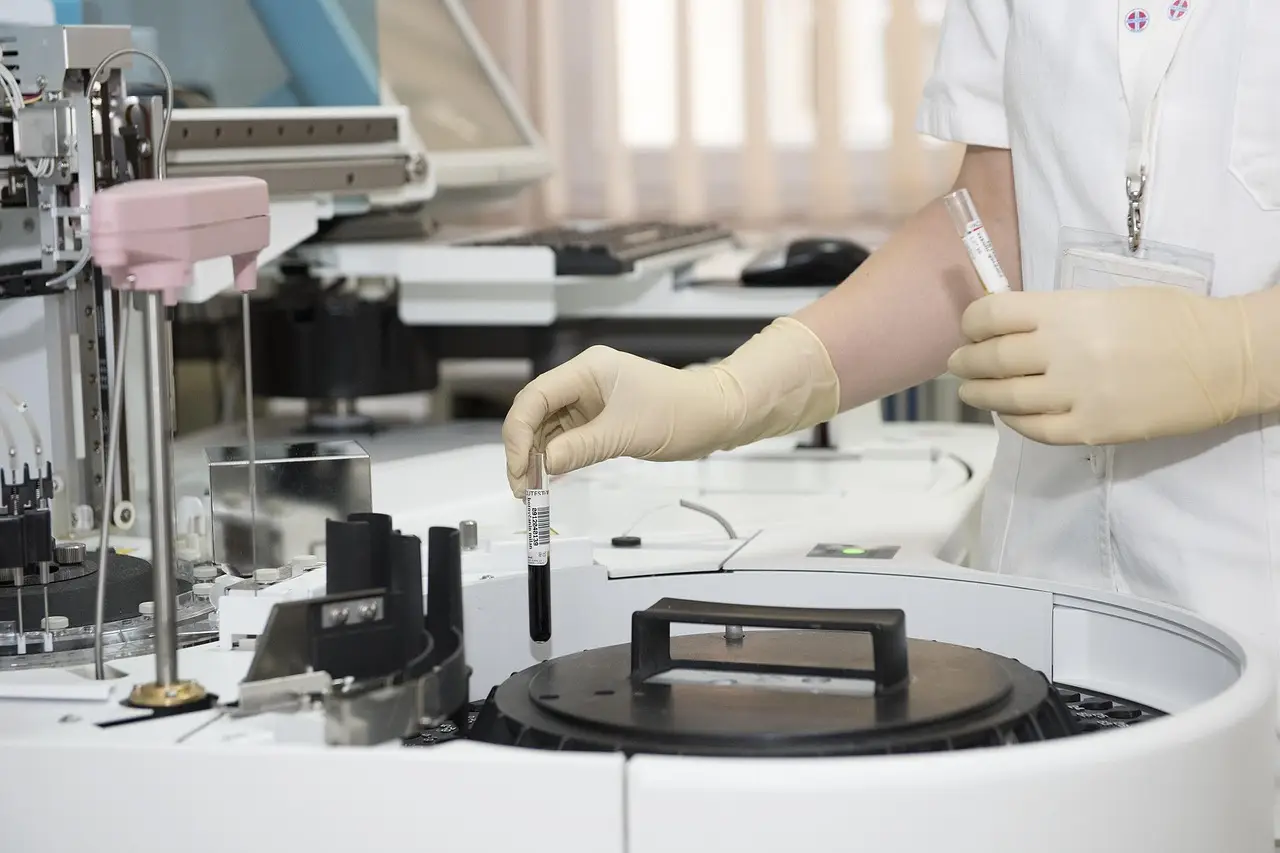
The National Institutes of Health terminated an $8 million Alzheimer's study in Pittsburgh one year before completion, leaving Black participants without the brain test results they were promised. Researchers say the move wasted taxpayer money and breached trust built over a decade in the city's Hill and Homewood communities.
The study, 15 years in the making, examined why Black Americans develop Alzheimer's at twice the rate of their white peers. Participants took memory tests, tracked sleep and blood pressure, and shared personal histories. NIH stripped the project of funding in its fifth and final year, calling the work "not science," according to the study's researchers. The project had cleared rigorous review and vetting from a community advisory board.
Roderick Blair, 70, participated for four years. "The community will look like, 'Oh, they came in here, they took all our stuff, they checked us out. Now they're gonna leave us hanging,'" he said.
What does the termination mean for participants?
Participants will not learn whether their brain tests showed signs of trouble. The study would have identified people at higher risk for Alzheimer's and connected them to doctor's visits and care. That promise now goes unfulfilled.
Field coordinator La'Vette Wagner said the findings are "stuck on a shelf." She said the project overcame deep mistrust in the Hill and Homewood communities, got residents talking about memory loss and dementia, and challenged misconceptions.
Families who once dismissed memory loss as depression began asking about dementia, Wagner said. People outside the study called to ask whether relatives could join. More than half of Black Americans, 55 percent, believe significant memory or cognitive loss is a natural part of aging rather than disease, according to the Alzheimer's Association.
"You start forgetting things and you start to wonder, do you have Alzheimer's? You wonder, do you have dementia?" Blair said.
Trust in U.S. health institutions has long been strained in Black communities, rooted in racial health inequities, unequal access to care and bias within the medical system. The Tuskegee study, which withheld syphilis treatment from Black men in the 1930s, still shapes that distrust.
"It wasn't a Black study or a DEI study," Wagner said. "It was something that was happening that was real."
How widespread are the terminations?
Similar cuts have hit researchers across the country. Emory University neuropsychologist Negar Fani was two years into a five-year, $2.9 million project on how daily experiences of racial discrimination affect the brains and bodies of Black Americans when NIH terminated it in July. NIH labeled the work "not scientific" and "subjective" after it had passed review and enrolled 66 of 220 required participants.
Fani is now seeking roughly $2.3 million to finish the study. Her team must explain the termination to participants who feel abandoned. "It takes a lot to restore trust with the Black community, who has experienced so many different betrayals," she said. "It's simply brain science research."
In Pittsburgh, lead researcher Andrea Rosso has joined a recently filed lawsuit against NIH and its parent Department of Health and Human Services. Ann Cohen, a director of Pittsburgh's Alzheimer's Disease Research Center, joined the same suit after her separate complementary study of Alzheimer's risk was halted. That project had spent $5.2 million over three years.
Cohen faces an unresolved ethics question: what to do with blood samples collected from participants. "You lose trust a hell of a lot faster than you build it," she said.
The legal actions are growing as the administration hunts for medical grants whose descriptions include the words "disparities," "minority" and "racial."
How large is the broader funding pullback?
An HHS spokesperson defended the cuts. "Massive amounts of DEI grants have failed to translate into better health outcomes for minority populations," the spokesperson said. "Following President Trump's directives, NIH is shifting money into rigorous research that will help Americans — including minority populations — live longer, healthier lives."
NIH has awarded 2,000 fewer grants for multiyear studies this year, worth a total of $200 million, compared with 2025, according to an Association of American Medical Colleges report.
Jill Rosenthal, director of public health policy at the Center for American Progress, called the trend unprecedented. "Many of the decisions are based on political biases and based on what politicians think is valuable rather than peer review processes, evidence-based decisions about where to invest our research dollars," she said. "We're wasting resources, we're wasting the opportunity to identify cures for diseases."
What comes next for the Pittsburgh community?
Researchers in Pittsburgh say the breach of trust will be hardest to repair. Rebuilding relationships in the Hill and Homewood will take years, participants and staff agree.
Blair said reinstating trust within his community is an uphill battle. "It's going to take years to reestablish something that was moving pretty good," he said.
Google News · Research Funding (Source)
More from James Calloway
Show full bio
Correspondent covering regulation, policy and their impact on Faculty News is the daily press of the at Faculty News.
43 articles