Utah State Pushes Back on Coyote Grief Research Claims
Utah State says just 1.2% of Sara Freeman's $1.41M NSF CAREER grant funds animal experiments, and the mate-loss study involves 12 coyotes, not 78 as claimed.
Key takeaways
- Dr. Sara Freeman received a $1.41M NSF CAREER grant in 2025 for coyote pair-bonding research.
- Only 1.2% of the grant funds animal-related experiments, the university states.
- The mate-loss study involves 12 animals, not 78 as circulated by some groups.
- Utah's coyote bounty program removes over 11,000 coyotes annually; Utah is one of three states with such a program.
- Coyotes are among only 3-5% of mammal species that are socially monogamous.
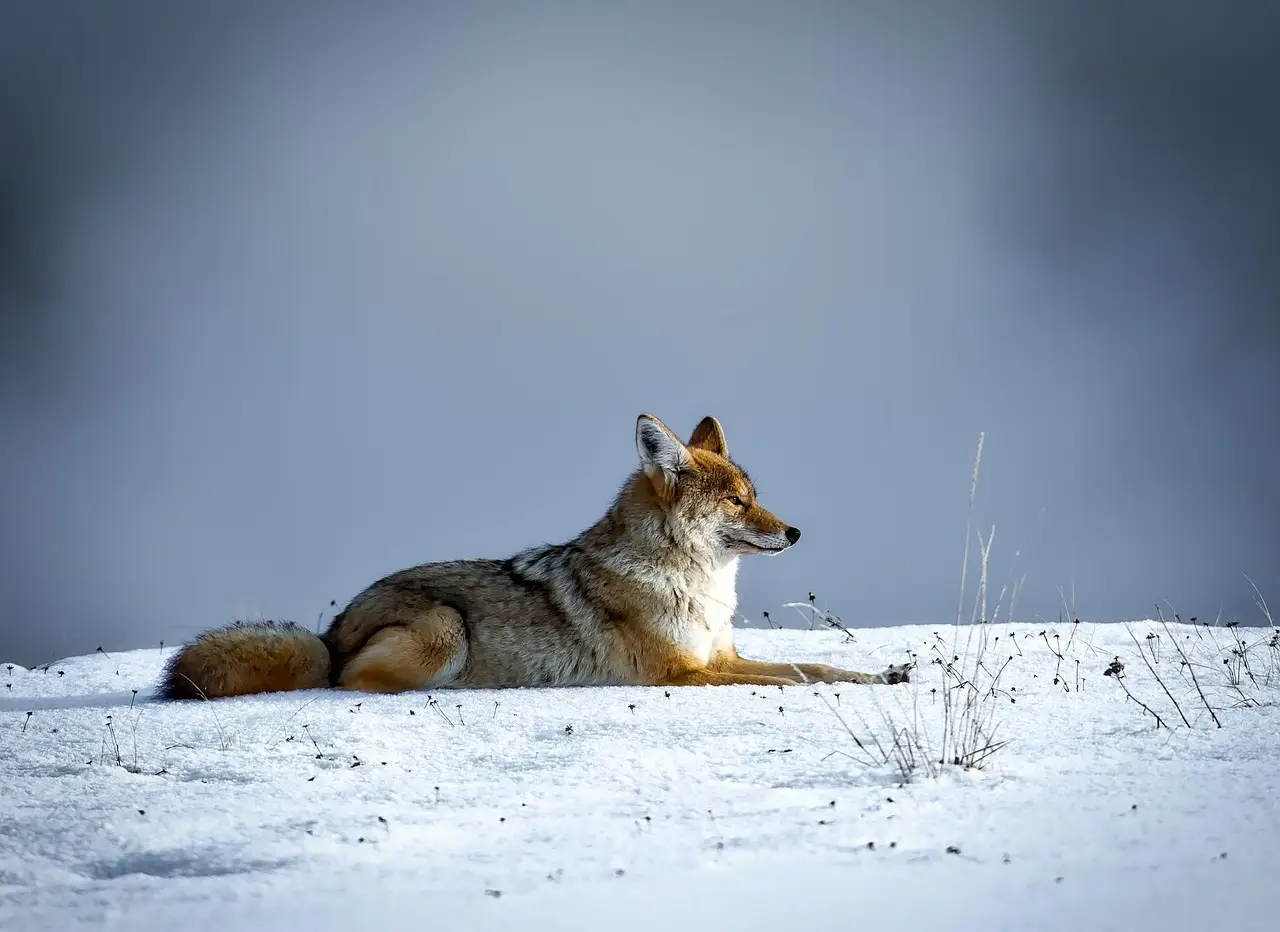
Utah State University says only 1.2% of a $1.41 million NSF CAREER award funds animal-related experiments, in a statement countering what it calls misinformation about a coyote grief study circulating among outside groups.
In 2025, Dr. Sara Freeman, a neuroscientist at Utah State, received the National Science Foundation CAREER grant — one of the NSF's most prestigious honors, reserved for early-career faculty who demonstrate exceptional potential for leadership in research and education. The five-figure attention the award has drawn centers on one narrow piece of a much broader program of work.
What does the grant actually fund?
The award supports systematic investigations of pair-bonding behavior and the neurochemical systems of the social brain, using a population of captive-housed coyotes at a USDA research facility.
According to the university, a large portion of any NSF CAREER budget invests in student training, mentorship, public education and broader scientific outreach — not bench work. Within Freeman's grant, the vast majority of the animal studies do not evaluate pair-bond loss at all; they measure behavior to characterize how social bonds develop in coyotes.
One study involves the evaluation of the neurobiological impact of losing a pair mate. That study covers 12 animals — not 78, a figure the university says some groups have shared inaccurately. Mate loss is a reality coyotes face in the wild through natural means as well as from anthropogenic causes such as hunting, vehicle strikes, or removals to protect livestock.
Why coyotes, and why Utah?
One stated goal of the grant is to increase public understanding of the complex social, emotional and cognitive lives of coyotes — adaptable, socially sophisticated animals whose behavior and relationships are often misunderstood, the statement notes.
The policy stakes are concrete. Livestock depredation by coyotes remains a significant problem for Utah's livestock industry, and Utah is one of three remaining states that maintain a bounty program incentivizing citizens to remove coyotes through lethal means. That program removes over 11,000 coyotes annually.
The university acknowledges that people hold a range of perspectives on wildlife living close to human communities, with public perceptions shaped by longstanding assumptions, personal experiences and incomplete information. It is not currently known how the loss of a mate affects coyote behavior or physiology. The statement argues that greater access to accurate, evidence-based information about coyote biology can provide common ground for public dialogue benefiting both wildlife and communities.
For researchers who work outside traditional laboratory species, the statement makes the case plainly: behavioral neuroscience on diverse species allows investigation of how brains function under the varied environmental, social and ecological conditions in which animals naturally live. Such studies yield insight into the evolution of the nervous system, the biological basis of behavior, and how animals like coyotes adapt to their environments.
What could it mean for human health?
Coyotes belong to the small share of mammal species — only 3-5% — that are socially monogamous and form long-term pair bonds. That makes them a distinctive model for social attachment in a long-lived mammal.
Because humans and coyotes share underlying biology, Freeman's investigations could help guide grief treatment for humans, according to the statement, including the development of new drugs or non-pharmaceutical approaches. The work could also clarify which neural mechanisms governing emotional bonding and decision-making are shared across species and which are unique.
The university frames the discoveries from this basic research as carrying implications for wildlife conservation, biodiversity and animal welfare, since such insights can inform larger efforts to protect wildlife, preserve ecosystems and improve stewardship of the natural world.
Questions and comments regarding the article, the university notes, may be directed to the contact person listed on its page.
For faculty watching how grant controversies unfold, the episode is a reminder of the gap between a budget line and a headline.
Google News · Research Funding (Source)
More from Marcus Bennett
Show full bio
Market editor covering companies, deals and strategy in Faculty News is the daily press of the at Faculty News.
34 articles