NEH Offers Up to $460,000 for Residential Humanities Institutes
NEH's Landmarks of American History and Culture and Summer Institutes program will award up to $460,000 for residential humanities professional development serving K-12 teachers and college faculty. Applications close Dec. 9, 2026.
Key takeaways
- Awards of up to $460,000 per project under the NEH Landmarks of American History and Culture and Summer Institutes program.
- Application deadline is Dec. 9, 2026.
- Program serves both K-12 teachers and higher education faculty.
- Eligible applicants include 501(c)(3) nonprofits, public and private colleges, and local, county, state and tribal governments.
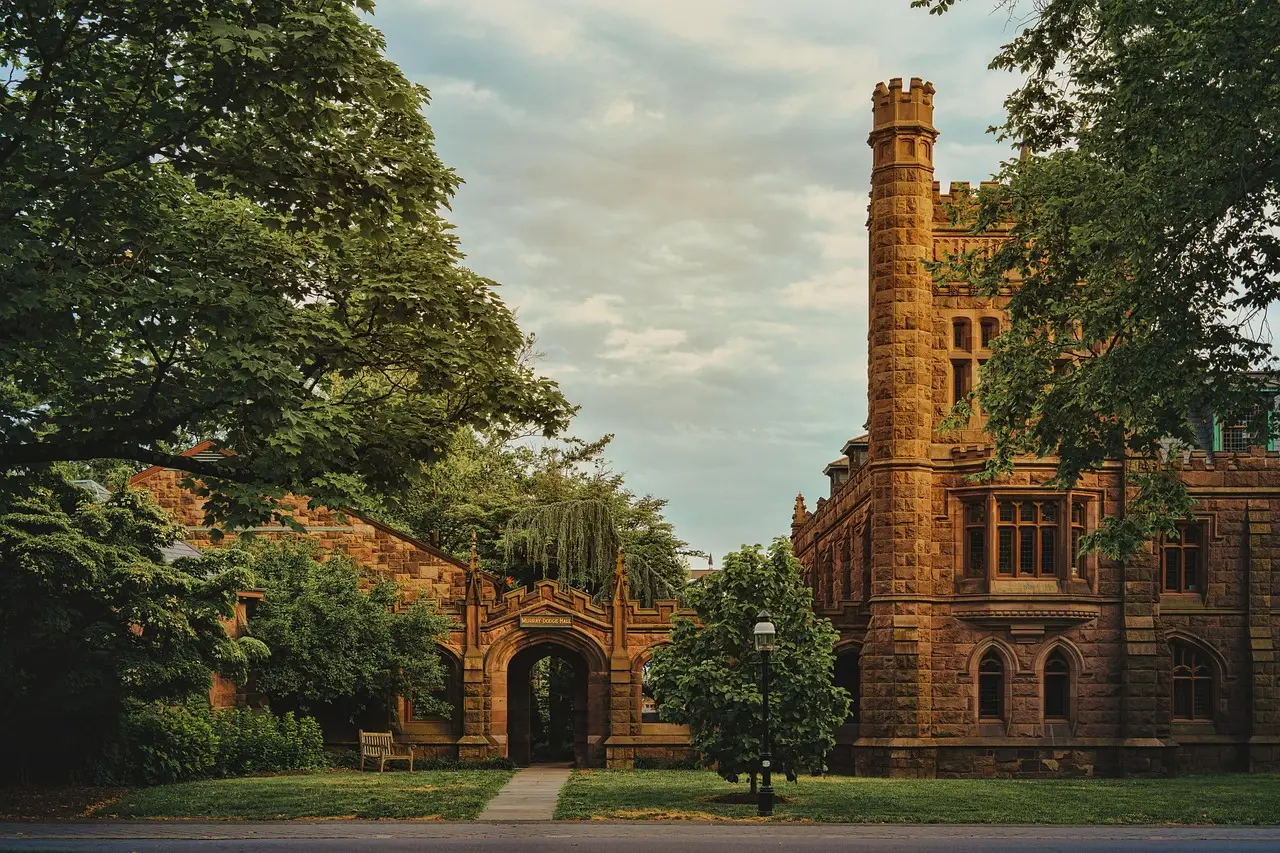
The National Endowment for the Humanities will hand out awards of up to $460,000 under its Landmarks of American History and Culture and Summer Institutes program, with applications due Dec. 9, 2026.
That figure deserves a second look. It's rare for a federal professional-development competition aimed squarely at teaching faculty — not research infrastructure — to carry a ceiling that high. The program sits inside NEH's Division of Lifelong Learning, and it targets a dual audience: K-12 teachers and higher education faculty members.
The deadline gives applicants roughly a year of runway, but anyone who has assembled a federal grant package knows the real work starts long before submission.
What does the program actually fund?
Landmarks and Institutes are residential professional development programs. They convene educators from across the nation, in one place, for an extended stay.
The stated purpose is twofold:
- Deepen participants' understanding of significant topics in the humanities.
- Enrich their capacity for effective scholarship and teaching.
In NEH's own words, the program "supports humanities education through professional development for K-12 teachers and higher education faculty members." It's a formula the endowment has refined over years of summer seminar cycles: bring teachers to the site or archive, put scholars in the room, and send participants home with better courses.
For faculty who spend the academic year juggling three sections and committee loads, a residential institute also buys the one commodity campus life rarely provides — sustained time to think.
Who can apply?
Eligibility is broad, spanning both academia and public institutions. Qualified applicants include:
- Nonprofits with 501(c)(3) status with the IRS
- Private institutions of higher education
- Public and state-controlled institutions of higher education
- City or township governments
- County governments
- State governments
- Native American tribal governments (federally recognized)
Note the emphasis: these grants go to institutions and organizations that host the institutes, not to individual teachers. A faculty member wanting to attend applies to a funded institute later, not to NEH now. A department or center wanting to run one applies by the December deadline.
Why the money matters now
Programs like this one have become load-bearing in humanities education. They fund the structured, residential encounters with historic sites and scholarly communities that individual institutions — especially small colleges with thin travel budgets — struggle to mount on their own.
The award ceiling of $460,000 is substantial enough to cover multi-week residential programming: participant stipends, faculty honoraria, site visits, housing logistics. Anyone drafting a proposal should check NEH's cost-share and indirect-cost rate (the overhead percentage a university charges on grants) policies before building the budget.
Departments with existing partnerships — a historic site, an archive, a museum — are natural applicants. Those without should start building them now, because the strongest Landmarks proposals rest on the place itself.
The bottom line
Applications close Dec. 9, 2026. If your program has a credible site, a scholarly team, and a clear plan for what K-12 teachers and faculty will take back to their classrooms, this is one of the larger federal pools open to you.
Google News · Higher Education (Source)
More from Tom Whitfield
Show full bio
News editor covering technology and product news in Faculty News is the daily press of the at Faculty News.
38 articles