Third Circuit Rules AI Training on Westlaw Headnotes Is Infringement
The Third Circuit's September 29, 2026 ruling in Thomson Reuters v ROSS found AI training on 2,243 Westlaw headnotes minimally transformative and harmful to a licensing market.
Key takeaways
- Third Circuit ruled September 29, 2026 in Thomson Reuters v ROSS Intelligence, the only US Circuit decision on AI training.
- All 2,243 Westlaw headnotes at issue were held to have 'some creative spark' and qualify for copyright protection.
- The court found ROSS's use 'minimally transformative' and harmful to a rapidly developing AI licensing market.
- CCC launched collective TDM licensing in 2015 and added AI rights to its corporate license in 2024.
- Over 150 US AI copyright cases are pending; the same California district court issued conflicting training rulings in one week in 2025.
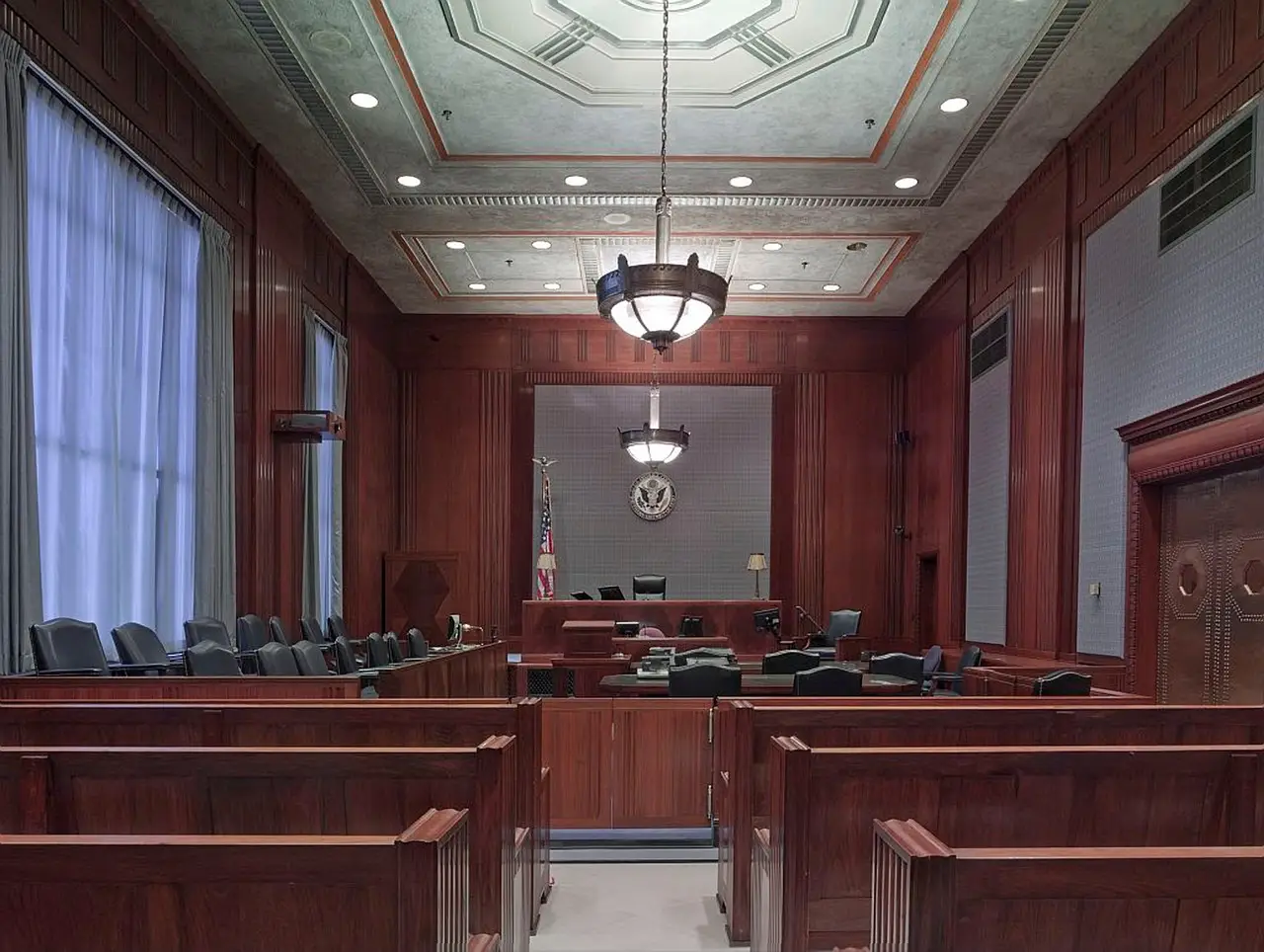
On September 29, 2026, the US Court of Appeals for the Third Circuit handed copyright owners their first Circuit-level victory on AI training, ruling that ROSS Intelligence infringed Thomson Reuters' copyrights when it copied the entire Westlaw database after being denied a license. The decision, in a case filed in 2020, is the only Circuit Court ruling in the United States to address training directly.
The defendant went out of business in 2020 yet continues to litigate — and, according to the source analysis, money appeared to hire three prestigious law firms to file a petition for rehearing. Silicon Valley clearly believes much is at stake.
What did the court decide on copyrightability?
At issue were Westlaw headnotes: summaries of public-domain judicial opinions, loosely analogous to journal abstracts. Expression is protected; facts and US Government Works such as statutes and cases are not. ROSS argued the headnotes were too factual to protect. The court disagreed, holding that all 2,243 independently created headnotes at issue 'have some creative spark,' because Thomson Reuters' editors made creative decisions about which points of law to include and how to word them.
The takeaway: courts sometimes shortchange protection for 'factual' publications, and this ruling gives journal and standards publishers ammunition to win that argument.
How did fair use fail?
The court ran the four-factor analysis from the Copyright Act, focusing on factor 1 (nature of the use) and factor 4 (market harm). ROSS conceded its use was commercial and argued AI training was transformative. The court called the use 'minimally transformative, at best,' reasoning that both companies used the headnotes to build legal-research platforms: ROSS merely 'took an intermediate step of using the headnotes to train an AI program.'
The author's paraphrase for scholarly publishing is blunt: swap 'headnotes' for journals and 'legal' for oncology, and the logic maps directly onto STM content. The more an AI product is marketed as solving research challenges, the less transformative it becomes.
On market harm, the court found ROSS competed directly with Thomson Reuters in legal research — and went further. Because 'the market for licensing headnotes as text to train AI is rapidly developing,' and Thomson Reuters presented evidence it uses headnotes to train its own AI products, unlicensed copying 'usurped Thomson Reuters's opportunity to enter that derivative market.' Notably, Thomson Reuters was not licensing content for AI in 2020; it still won on its right to enter that market.
The industry contrast matters here. CCC launched its collective text-and-data-mining license in 2015 and added AI rights to its corporate license in 2024. There is no better evidence of a potential licensing market than an actual one.
Doesn't the case involve non-generative AI?
Defenders of AI firms dismiss the ruling because the product did not generate text. The counterargument: much business AI is not generative. A search engine that retrieves answers from the literature resembles ROSS's product, not a term-paper generator. A 2026 study, 'The Velocity of Content in the Age of AI: Copyrighted Content Usage Trends,' found business users often deploy AI to answer questions — exactly what this case involved. Had generative AI been at issue, infringing outputs would have increased the harm.
Is AI training fair use ever?
The author resists categorical claims in both directions. Whether the copied content was a Reddit post, an out-of-print book, or a journal article available under TDM license — and whether the use competes with an actual or potential licensing market — all of these facts matter. Google Books advocates forget that Google voluntarily ceased scanning journals mid-litigation, and the same court rejected fair use two years later in a video case. The same California district court issued inconsistent AI-training rulings within one week in 2025, against the backdrop of 150-plus pending US AI copyright cases.
Fair use is settled law; its application to AI training never will be. It is a four-factor analysis, not a binary switch.
copyright.com (Original)
More from Elena Vasquez
Show full bio
Staff writer covering technology and product news in Faculty News is the daily press of the at Faculty News.
40 articles