Minnesota State Trustees Approve M State Detroit Lakes Campus Closure
Minnesota State trustees unanimously approved closing M State's Detroit Lakes campus, saving $1 million annually and avoiding $18 million in repairs. The campus stays open until at least summer 2028.
Key takeaways
- Minnesota State Board of Trustees unanimously approved the Detroit Lakes closure on Wednesday
- The closure saves about $1 million a year in operating costs and avoids $18 million-plus in maintenance
- The campus remains open and operational until at least summer 2028
- Public input included an Oct. 14 board meeting and a Nov. 5 public hearing
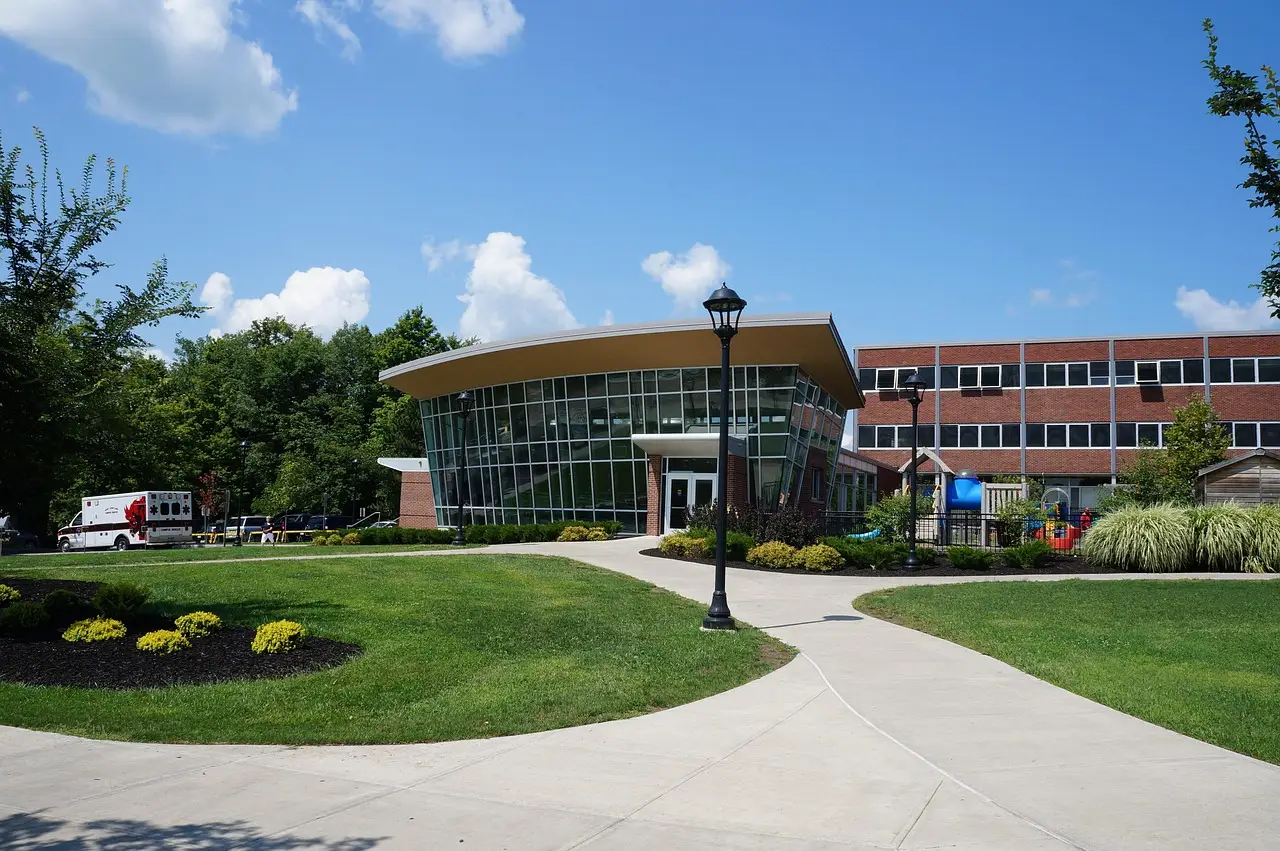
The Minnesota State Board of Trustees voted unanimously on Wednesday to close the M State Detroit Lakes campus, a decision the college says will save roughly $1 million a year in operating costs and spare it from more than $18 million in anticipated maintenance and repair bills.
The vote followed a months-long review. That process included an Oct. 14 board meeting, a Nov. 5 public hearing held at the Detroit Lakes campus itself, and consideration of public testimony and written comments submitted to the board.
For faculty and staff in the Minnesota State system (the state's network of public colleges and universities), the closure is a case study in how enrollment decline and deferred maintenance eventually force a system's hand.
What led to the closure?
M State's Detroit Lakes campus has offered a wide portfolio of programs over the years: marine technology, industrial trades, health careers, and business and IT courses. But the campus is large, aging, and serves fewer students than it once did.
For years, M State has been shifting programs out of Detroit Lakes and into its Moorhead and Fergus Falls campuses. College officials have pointed to two drivers: housing is too hard to find in Detroit Lakes, and many students simply don't want to study there.
According to a news release, M State explored several alternatives to better align the facility with current enrollment and long-term educational needs. None adequately addressed the underlying challenges.
What did the college say?
In its statement, M State acknowledged the weight of the decision:
"We recognize the significance of this decision for our students, employees, alumni and the broader Detroit Lakes community. The campus has served generations of students and families, and its history and contributions deserve to be acknowledged with care. M State remains committed to supporting students and employees throughout the transition and to maintaining access to education and student services in the Detroit Lakes area."
That last clause — maintaining access — will be the one faculty and local residents watch most closely in the coming months.
What emerged from public input?
Trustees acknowledged the significance of the decision for the Detroit Lakes community and thanked those who participated in the public input process, the release states.
Several themes emerged from testimony, according to the board:
- The importance of M State as a workforce development partner for the region
- Concern for the future use of the campus property
- Desire for a coordinated redevelopment effort
- The importance of preserving community services and amenities tied to the campus
Trustees also noted that the testimony reflected deep affection for the campus alongside an understanding of the circumstances behind the decision. Board discussion covered the involvement of the legislative delegation, enrollment trends and decisions, the use of data in future planning, and the leadership demonstrated throughout the process.
What happens next?
M State now moves into more detailed transition planning. The campus is expected to remain open and operational until at least summer 2028, a runway designed to let currently enrolled students finish their programs and give the college time to plan the transition carefully.
For employees, that timeline offers a measure of breathing room — but the real work of reassignment, program relocation, and student support starts now.
The takeaway: an $18 million repair bill, an enrollment slide, and a unanimous board vote closed a campus that had served generations — and gave the community until 2028 to adjust.
Google News · University Governance (Source)
More from Tom Whitfield
Show full bio
News editor covering technology and product news in Faculty News is the daily press of the at Faculty News.
38 articles