Utah Provost Mitzi Montoya Moves to New $1.3M Executive Role
Utah provost Mitzi Montoya becomes EVP for Strategic Growth and president of Utah Global Campus on Jan. 1, 2027, keeping her $1.3M salary after four years of contested leadership.
Key takeaways
- Montoya becomes EVP for Strategic Growth and Transformation and president of Utah Global Campus effective Jan. 1, 2027.
- Her base salary is roughly $1.3 million plus about $175,000 in benefits, exceeding President Randall's $1.1 million.
- Enrollment grew to 39,060 in fall 2026 from 38,261 the prior year.
- The university plans to cut upwards of 855 non-faculty, non-clinical staff positions.
- The three executive vice presidents are paid a combined total over $4.06 million.
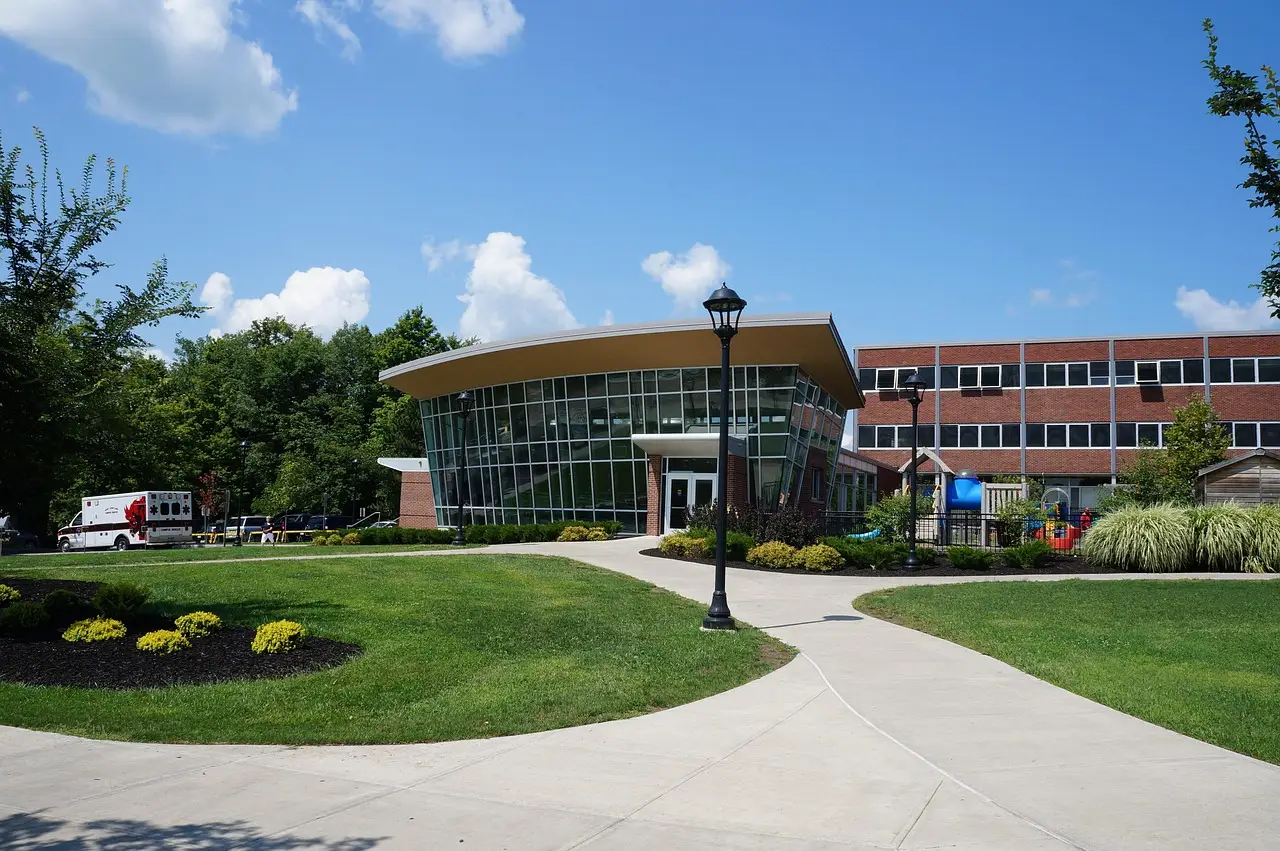
University of Utah Provost Mitzi Montoya will step down from her academic post on Jan. 1, 2027 and become executive vice president for Strategic Growth and Transformation plus president of the Utah Global Campus — a position the university created specifically for her, according to a Nov. 18 statement.
Her compensation will not rise. Montoya currently earns a base salary of roughly $1.3 million plus about $175,000 in benefits — more than President Taylor Randall's $1.1 million salary. The move follows a four-year provostship marked by repeated faculty complaints, including allegations of "bullying" and "abusive behavior," which the university said were "not corroborated."
What does the reassignment change for faculty?
Peter Trapa, formerly vice provost and senior dean of the Colleges of Liberal Arts and Sciences, takes over as Senior Vice President for Academic Affairs. He will lead "long-range academic planning" and "academic freedom and shared governance," and promote student success.
Montoya's new portfolio covers expansion of online education, the U's engagement with the Utah System of Higher Education, and what the university describes as extending its global reach and developing new resources.
Randall framed the appointment as a strategic move. "The University of Utah has an important responsibility to deliver an exceptional academic experience while finding new ways to serve our state and extend our impact," he said in the statement. "Mitzi will draw on her record of academic leadership to shape the university's statewide strategy and build the Utah Global Campus."
A tenure shadowed by faculty complaints
Roughly one year into Montoya's term, an anonymous letter alleged discrimination against members of the LDS faith and "abusive behavior." The university launched an investigation; it concluded the claims were not corroborated.
A 2024 letter to administrators, unsigned "in fear of retaliation," alleged bullying. The university again said the claims were not corroborated.
In February 2025, Distinguished Professor Katharine Coles introduced a resolution accusing Montoya of misconduct, backed by 23 senators. Randall ended the Academic Senate conversation, citing SB192 and saying it may have been "in contradiction to the law." Faculty responded with a letter to Randall raising "concerns about the limit and visibility" of the university's commitment to shared governance.
Randall has stood by her throughout. In a 2025 statement to The Daily Utah Chronicle, he said he has "full faith in Provost Mitzi Montoya."
Before Utah, Montoya served as provost at Washington State University, where she stepped down after two months.
Montoya's record as provost
The university credits her with leading "new processes and systems" that improved four- and six-year graduation rates, one of Randall's stated goals. Enrollment grew to 39,060 students in fall 2026, up from 38,261 the previous year — an increase of 799 students, roughly 2 percent.
She helped create the Utah Promise scholarship, which covers tuition for resident undergraduates from families earning under $100,000 per year.
Her push for interdisciplinary education drew attention. "We need math teachers who can think like expert communicators, making abstract concepts resonate," she told Utah Business magazine. "We need social workers who can think like data scientists and engineers who can think like ethicists."
Criticism focused on the fall 2025 class-schedule change and the 2025 merger of the Departments of Economics and Quantitative Analysis of Markets and Organizations into a unified School of Economics.
An expanding executive tier, a shrinking staff
Starting Jan. 1, 2027 — halfway through the 2026-27 academic year — the U will have three executive vice presidents: Montoya on strategic growth, Bob Carter on health sciences, Trapa on academic affairs.
Montoya's pay has climbed steeply. Her base salary was roughly $319,000 in 2023, her first year. It more than doubled the following year, held steady in 2025, then roughly doubled again in 2026 to about $1.3 million — placing her among the university's 25 highest-paid employees. The university now pays Montoya, Carter and Trapa a combined total exceeding $4.06 million.
That is more than $1.35 million per executive, per year, at the top of the institution. Elsewhere the direction runs opposite. The university's "modernization effort" is projected to eliminate upwards of 855 non-faculty, non-clinical staff positions over the next year. Academic affairs and student resources have absorbed cuts in favor of what a 2025 statement called "high impact" and "workforce-aligned degree programs" — including termination of the Student Success Coaching program and downsizing of academic advising.
The university maintains the reductions "free up resources for more investment in the university's core missions of education, research and patient care."
Google News · University Governance (Source)
More from Daniel Okafor
Show full bio
Senior reporter covering technology and product news in Faculty News is the daily press of the at Faculty News.
38 articles