Florida Ban Bars Undocumented Students From All 28 State Colleges
A June 30 Florida law bars undocumented students from all 28 state colleges starting 2027-28. Santa Fe now requires proof of lawful presence for admission from Nov. 18 under an Aug. 5 Board of Education rule.
Key takeaways
- June 30 law requires all 28 Florida College System colleges to stop enrolling undocumented students from the 2027-28 school year
- A Board of Education rule effective Aug. 5 requires proof of citizenship or legal presence before admission
- Santa Fe College requires proof of lawful presence for new applicants starting Nov. 18
- Over 400,000 undocumented students are in U.S. higher education; roughly 45% are Hispanic
- A prior bill barring undocumented students from schools with sub-85% acceptance rates failed in the legislature
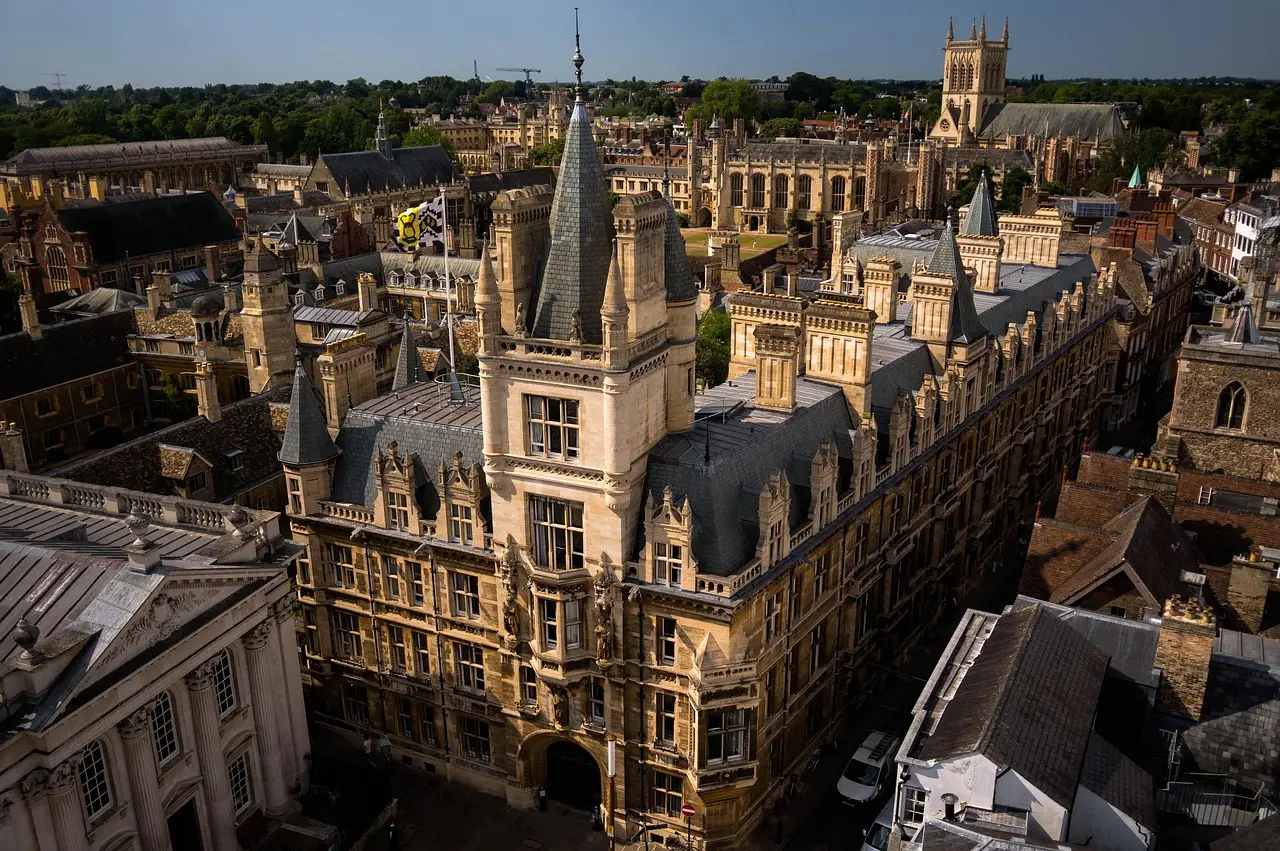
A law signed June 30 requires all 28 Florida College System institutions to stop enrolling undocumented students beginning in the 2027-28 school year, and the verification regime is already reshaping admissions at Santa Fe College. Starting Nov. 18, incoming Santa Fe students must prove lawful presence when applying for admission or readmission.
"It's really that simple," Lisa Brosky, Santa Fe's associate vice president for marketing and communications, wrote. "Students must provide proof that they are lawfully present in the U.S."
A Florida Board of Education rule that took effect Aug. 5 goes further, requiring students to prove U.S. citizenship or legal presence before admission at any institution. Before the rule change, no citizenship or status verification was required. As of Oct. 19, Santa Fe's Board of Trustees had not yet ruled on the matter.
What does the new law change on the ground?
The measure covers state colleges and GED programs, closing off pathways that immigrant students have used for decades. It follows earlier restrictions: last year Gov. Ron DeSantis signed a Senate bill blocking undocumented students from receiving out-of-state tuition waivers, and a separate bill that would have barred undocumented students from any public college or university with an acceptance rate below 85% failed to pass.
Elizabeth Lopez, a 19-year-old Santa Fe sophomore, moved from El Salvador last year to pursue a bachelor's degree in political science. She now carries proof of her U.S. citizenship at all times.
"It almost feels like … they're keeping the undocumented population kind of out of loop in the sense of education," Lopez said. She called the ban disappointing but not shocking, given Florida's legislative record on undocumented residents, and said it is only a small step from anti-immigration rules already in place.
"It almost feels like the state's nitpicking who they're serving," she said.
How many students are affected?
More than 400,000 undocumented students are enrolled in higher education nationwide, and roughly 45% of them are Hispanic, according to figures cited by student advocates. About three-quarters of those students attend institutions in California, Florida, Texas or New York.
Karen Horie, a 21-year-old international Santa Fe nursing freshman from Japan, said the ban is unfair to undocumented students. Being of Venezuelan descent, she is particularly concerned that Hispanic students will bear a disproportionate share of the impact.
"As an international student, I think it's quite unfair because they deserve the right to have an education," Horie said.
International students on F-1 visas are unaffected by the ban. But Horie said new regulations have already made it harder for international students to gain admission to universities like UF, and she expects the shifting legal benchmark to complicate financial aid and scholarship procedures for immigrant students regardless of status. She predicted undocumented students will pursue postsecondary education elsewhere in the United States to avoid legal scrutiny in Florida.
What about dual enrollment?
Sonia Chaudhari, a 17-year-old dual-enrolled student from Buchholz High School, said the ban threatens a free route for undocumented high school students to earn college credits before admission. Many rely on free community college dual enrollment precisely because they cannot pay for credits any other way.
"It's scary because that's the only way some people can do it, financially," Chaudhari said. "It shouldn't be as difficult as it is for dual enrollment students, or honestly anybody."
She cited the case of a Gainesville High School student who was deported with his family while seeking permanent citizenship. He was just trying to get an education, she said.
Calvin Cisneros, a 19-year-old Santa Fe computer science sophomore, said students should not have to prove citizenship to receive an education.
"Whether they're from here or not, or if their family is undocumented, I feel like students should have a right to an education," Cisneros said.
The United Nations recognizes education as a fundamental human right under Article 26 of the Universal Declaration of Human Rights, and UNESCO describes it as a basic human right. Florida's statute now draws the line differently.
For faculty and staff at the 28 affected colleges, the operational question is compliance: Brosky said Santa Fe has no way to predict how many students can provide the required proof, and the college is still building policies to match the Board of Education's ruling.
Google News · Higher Education (Source)
More from Marcus Bennett
Show full bio
Market editor covering companies, deals and strategy in Faculty News is the daily press of the at Faculty News.
34 articles