Texas DEI Ban Review Finds Steady Grades, Falling Enrollment
Texas's first post-SB 17 outcomes study shows steady or improving grades and retention, but enrollment among admitted Black and Hispanic students fell — and the state's data mandate ends in 2029, before graduation effects can be measured.
Key takeaways
- The Texas Higher Education Coordinating Board approved the first post-ban outcomes report on Nov. 16, 2025.
- First-year GPA-above-2.0 rates for Black students at two-year colleges rose from 71% (2023) to 79% (2025); Hispanic students from 77% to 81%.
- Enrollment among admitted Black students fell from 53% to 45% and Hispanic students from 50% to 44% between 2023 and 2025.
- The study mandate expires in September 2029, before the fall 2024 cohort reaches its six-year graduation benchmark.
- A federal judge struck down the Texas Dream Act in June 2025, leaving affected UT-Austin students facing tuition nearly four times higher.
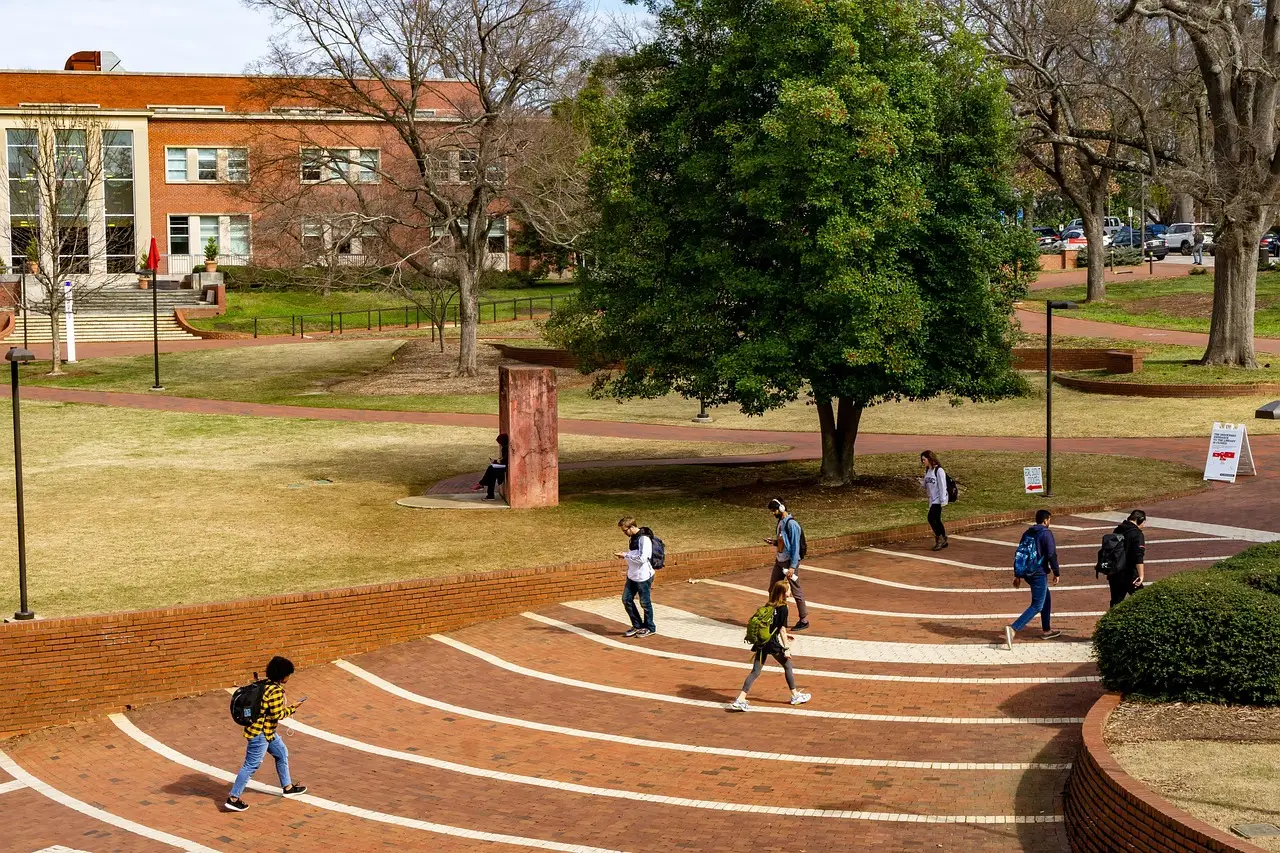
Texas's first statewide review of student outcomes since its DEI ban took effect found that academic performance and retention held steady or improved at public colleges — but the report, approved by the Texas Higher Education Coordinating Board on Nov. 16, cannot determine whether Senate Bill 17 contributed to any of the trends it documents.
The law, passed in 2023, banned diversity, equity and inclusion offices and programs at public institutions. UT-Austin closed its Multicultural Engagement Center months after Izabella De la Garza, a student who had found community and advising there, graduated in 2023. "I don't know if I would have graduated if I didn't have those programs or that sense of community," she said. Colleges across the state also cut support for campus groups serving students of color and LGBTQ+ students and stopped sponsoring graduation celebrations for those communities.
What do the numbers actually show?
At public two-year colleges, the share of Black students earning a first-year GPA above 2.0 rose from 71% in 2023 to 79% in 2025. Among Hispanic students, that figure rose from 77% to 81%. Both groups also posted modest gains in first-year retention at public colleges and universities.
Enrollment tells a different story. In 2023, 53% of Black students and 50% of Hispanic students admitted to Texas public universities enrolled; by 2025 those shares had dropped to 45% and 44%. The decline continues a trend that predates the ban, and applications have generally increased. More than 624,000 Hispanic students attended Texas colleges and universities in 2024, accounting for 43% of enrollment — the state's largest student group, still graduating at lower rates than white and Asian peers.
Why can't the state prove cause and effect?
When lawmakers passed SB 17, they required the coordinating board to study the ban's effects on access and success, but that mandate expires in September 2029 — before students who entered public universities in fall 2024 reach their six-year graduation benchmark. A 2024 board review established a baseline using pre-ban data; the new report adds data through 2025.
State higher education officials cautioned they could not determine whether the ban drove the observed changes.
Deborah Santiago, CEO of Excelencia in Education, a national organization focused on Latino student success, said the report lacks the context needed to tie outcomes to the ban. She pointed to a separate 2023 law rewarding community colleges with funding for degrees, certificates and transfers as a possible driver of the academic gains, and cited affordability and location as plausible explanations for falling enrollment. She also criticized the report for relying on percentages without showing underlying student counts. "There's value in looking at the data and seeing the gaps. Can we do something about it?" Santiago said.
Gary Bledsoe, president of the Texas NAACP, wrote that the state should weigh students' family incomes and employment while enrolled, and should examine outcomes at individual universities, since statewide figures can mask differences among schools that implemented the ban differently. "This study cannot be viewed in a vacuum," Bledsoe wrote.
State Sen. Paul Bettencourt, R-Houston, an SB 17 coauthor who chairs the Senate Higher Education Committee, did not respond to a request for comment.
What comes next?
A federal judge struck down the 2001 Texas Dream Act in June 2025, after Attorney General Ken Paxton agreed with the Trump administration that it was unconstitutional; affected UT-Austin students now face tuition bills nearly four times as high, a change that could affect future Hispanic enrollment and graduation rates.
Democrats take control of the governor's office and the Texas House following the Nov. 3 elections. State Reps. John Bucy III, D-Austin, and Nicole Collier, D-Fort Worth, and state Sen. José Menéndez, D-San Antonio, have filed repeal bills ahead of next year's session. Republicans still hold a Senate majority, and that chamber must sign off on any legislation. Bucy said the ban stripped universities of freedom to serve students and prompted some students and professors to consider leaving Texas. He is optimistic now that Democrat Vikki Goodwin has unseated Lt. Gov. Dan Patrick, who held the office nearly 12 years. "These senators were not free to represent their districts and their communities," Bucy said. "That has changed."
De la Garza, now pursuing a master's at UT-Austin with Texas Students for DEI, worries undergraduates don't know what resources they have lost. "The fight is totally different now that everything's been implemented, now it's not a matter of protecting it, but getting it back," she said.
Google News · Higher Education (Source)
More from Marcus Bennett
Show full bio
Market editor covering companies, deals and strategy in Faculty News is the daily press of the at Faculty News.
34 articles