SLU reviews 29 departments as students press for dialogue
SLU is reviewing 29 departments. Students and faculty rallied on Nov. 10 over potential cuts to African American Studies and Women and Gender Studies.
Key takeaways
- SLU has identified 29 departments for review under President Edward Feser’s strategic plan.
- African American Studies held a town hall on Nov. 2; Women and Gender Studies held “Help Save WGS” on Nov. 5.
- Provost Kathy Johnson met with at-risk department representatives at Dubourg Hall on Nov. 10.
- Students and staff staged a protest during the Nov. 10 meetings.
- No timeline or decision has been announced, and President Feser’s role remains unclear.
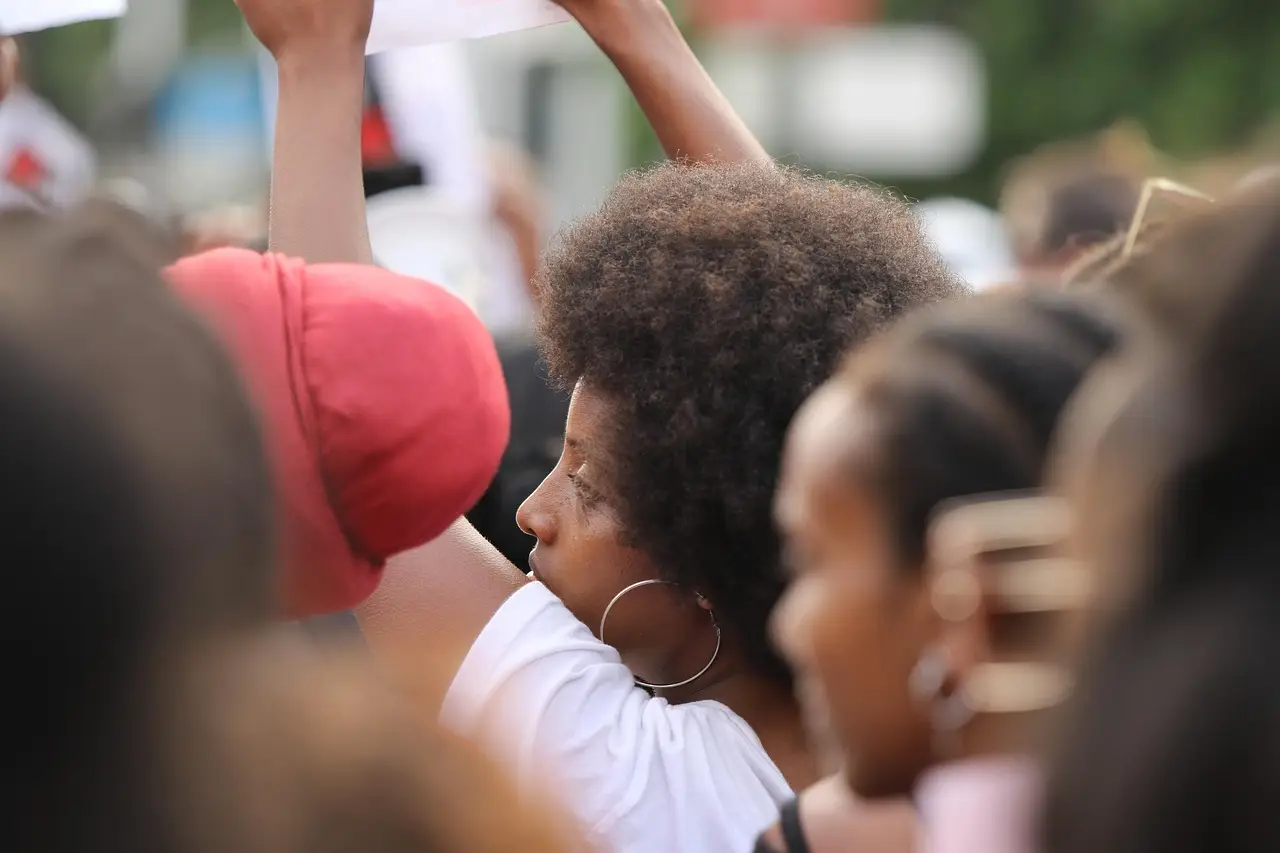
SLU has identified 29 departments for review as President Edward Feser’s strategic plan puts long-standing Women and Gender Studies and African American Studies on a potential cut list.
On Nov. 10, Dubourg Hall filled with students and staff. The provost’s office had agreed to meet representatives from programs under review.
Brooklyn Hulbert, a junior Women and Gender Studies major, described a process without clear structure: administrators told her they were discontinuing the program even though she remained enrolled. She could not register for classes needed to finish her minor and graduate, though she had paid for them. She said the arrangement effectively forced her to drop the program.
Several students say the cuts have already obstructed degree completion, even when graduation was within reach.
What prompted the review?
The strategic plan directs the university to examine every department and major to determine which are no longer “profitable” for SLU. Administrators have identified 29 for review so far; Women and Gender Studies and African American Studies now sit on the potential cut list.
Students in the two departments and other programs under review have hosted campus events and circulated email campaigns for several weeks. African American Studies held a Nov. 2 town hall that drew wide attention, with coverage from The University News and STLPR.
On Nov. 5, Women and Gender Studies held a “Help Save WGS” event, where participants painted support messages on denim pants and heard from affected students and faculty.
Maggie Farwig, a sophomore psychology major, called the lack of consultation deeply disheartening. Students pay a lot, care about SLU and contribute to it, she said, so they should have a say in decisions affecting their programs.
Takeaway: SLU has identified 29 departments for review, and the public campaign now centers on two long-standing programs that could face elimination.
What happened on Nov. 10?
Various departments met throughout the week. Representatives from Women and Gender Studies and African American Studies met in Dubourg Hall with Provost Kathy Johnson and members of her office, carrying hopes for a compromise. Only a few representatives from each department entered the private sessions.
Students and staff crowded the building. Amber Olsen, a junior sociology student, said the protest was meant to show the administration that many students oppose the budget cuts and program reviews and regard these programs as crucial to the school’s social justice and Jesuit values.
Aiden Suntra, a freshman neuroscience major, identified important overlaps between the humanities programs and the STEM (science, technology, engineering and mathematics) fields SLU would lose if the departments closed.
Suntra is interested in translating developmental psychology in relation to gender stereotypes. He called Women and Gender Studies critical to that education and said its loss would remove a large field of important psychological research.
Many staff members from African American Studies and Women and Gender Studies joined the students. While the reviews continue, their livelihoods remain uncertain.
Takeaway: The protest showed broad support, but the provost’s willingness to hear the departments did not settle whether their programs will continue.
What did the meeting reveal?
Attendees could report back to their respective groups, but the sessions produced no public details.
Alesha Durfee, a department head in Women and Gender Studies, said the administration appeared more willing to hear the department than she expected. Administrators focused on positive portions of major-retention reports (records showing whether students remain in a major) and understood the departments’ explanations of problems identified in those reviews.
Durfee described the sessions as friendly and collaborative, and said she understood African American Studies had the same experience. She said the program-review benchmarks (reference points for evaluating enrollment) failed to capture humanities programs’ popularity because many students choose them as secondary majors (a second field of study).
Durfee said: “You’re not measuring what you think you’re measuring. You’re trying to measure student demand, but you can’t do the same type of metrics for women and gender studies that you can do in other departments.”
Bukky Gbadegesin, an associate professor in African American Studies, called the proposed cuts emblematic of systemic racism permeating much of the United States. He said the program had faced attacks for the past five years and disputed the data under review because it did not accurately represent the department’s potential.
Gbadegesin said: “I think this is really problematic and aligns the university in a way that is completely antithetical to its Jesuit and social justice mission.”
Takeaway: Administrators heard a collaborative discussion, while department leaders argued that the enrollment data and institutional mission point in a different direction.
What remains unresolved?
SLU has set no timeline, and negotiations remain unclear; it is also unclear whether President Feser will intervene. Many students doubt public demonstrations alone will change the reviews.
An anonymous student organizer said they did not trust Johnson because of her limited communication with the crowd outside her office. They said the provost’s refusal to speak with student protesters, or engage with students generally, was itself a concern.
Christopher Tinson, an African American Studies professor, said several solutions could help but would require serious commitments from the university. His suggestions included:
- Summer freshman programs to support retention.
- Online course offerings.
- Dedicated outreach to community-college transfer students.
Staff members and activist leaders urged students and the wider public to make their support visible by requesting Women and Gender Studies courses. Durfee noted that existing classes were not full and could accommodate students seeking the required credits, and asked SLU to provide more faculty and capacity in the department.
Takeaway: Negotiation remains open, but no promised changes have followed the Nov. 10 sessions.
Google News · University Governance (Source)
More from Tom Whitfield
Show full bio
News editor covering technology and product news in Faculty News is the daily press of the at Faculty News.
39 articles