Penn Posts 3.1% Operating Margin as Federal Funding Clouds Gather
Penn trustees heard of a 3.1% operating margin, $1.47 billion in research awards, Dean Kumar's reappointment and a new applied science master's amid federal uncertainty.
Key takeaways
- Penn opened FY2027 with a $150 million increase in net assets from operations, a 3.1% operating margin.
- Research awards reached $1.47 billion in fiscal 2026, up 7.8%, with nearly $900 million from the NIH.
- Trustees reappointed Engineering Dean Vijay Kumar through June 30, 2029, citing over $400 million in philanthropic commitments.
- Penn is coordinating with 15 other schools on endowment-tax regulations under the One Big Beautiful Bill Act.
- The board approved a new Master of Applied Science degree for students without engineering backgrounds.
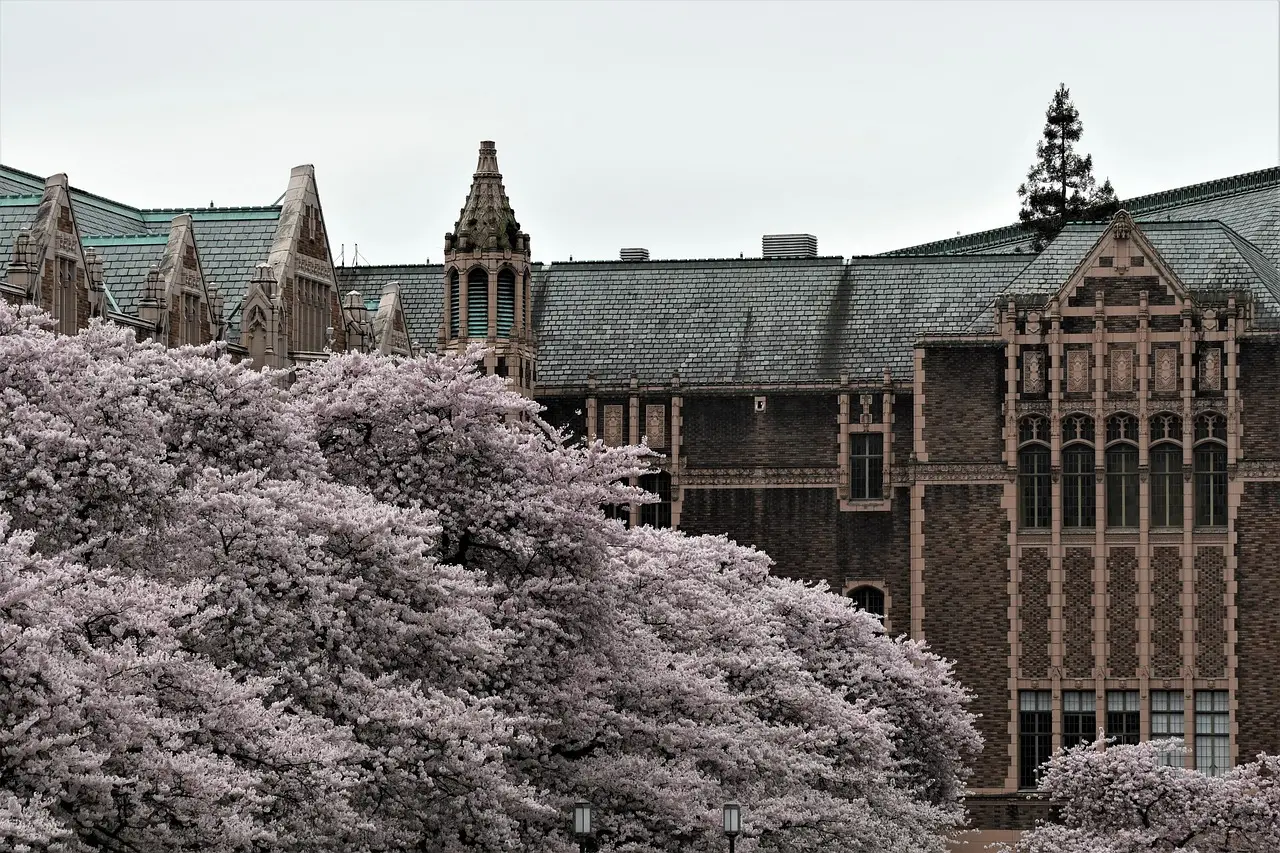
Penn opened fiscal year 2027 with a $150 million increase in net assets from operations, a 3.1% operating margin, trustees heard at the Nov. 12–13 Board of Trustees meeting — the first full board session since the trustees adopted a new governance structure in June. The numbers were solid. The mood was cautious. Administrators framed the quarter as a beginning, not a verdict, and kept returning to one variable they cannot control: federal policy.
How strong is the financial start?
Vice President for Finance and Treasurer Colen O'Neill's summary was blunt: "Penn has made a steady start to FY27." The results, she told the Budget and Finance Committee, "showed continued strength in the core revenue sources, as well as the impact of deliberate cost containment mechanisms across schools, centers, and the central administrative units."
Vice President for Budget Planning and Analysis Trevor Lewis attributed a $23 million net surplus to investment income, contributions, and transfers from the University of Pennsylvania Health System. The Health System itself posted an $88 million operating margin, $17 million ahead of budget, according to Julia Puchtler, its executive vice president and chief financial officer. Part of the outperformance came from "growth and outperformance in our ambulatory pharmacy program," Puchtler said.
O'Neill called the overarching message "encouraging" but paired it with a warning: sustaining financial strength "will require continued financial discipline in the long term." The committee echoed its September meeting's caution, monitoring the federal funding environment, enrollment, and investment performance. The FY27 operating budget, released in June, already assumed an uncertain higher-education economy.
What does the federal picture mean for research funding?
Vice Provost for Research David Meaney reported $1.47 billion in research awards in fiscal 2026, up 7.8% from the prior year. Federal sources supplied roughly three-quarters of that total, including nearly $900 million from the National Institutes of Health. "We're still in this period of uncertainty as the federal priorities continue to evolve and change," Meaney said.
The diversification strategy is already visible in the numbers. Industry support, once about 5% of Penn's research portfolio, is approaching 10%. Meaney described efforts to respond to funding opportunities on short deadlines and to build tools connecting researchers across schools.
Chemical and Biomolecular Engineering professor Daeyeon Lee presented the AIRFoundry facility, which uses artificial intelligence and automation to widen access to RNA technology. Its current federal funding expires in 2030, so the facility is pursuing access fees, corporate partnerships, and licensing revenue. "If you're not an expert in this field right now, it's very difficult to take advantage of this technology," Lee said. "Our goal is using AI, automation, and engineering tools to dramatically lower the barrier."
What is happening on the federal relations front?
Vice President for Government and Community Affairs Leigh Whitaker said her office works to make "friends and not enemies" of government officials and community leaders. Her staff has tracked federal decisions affecting international students and worked to "protect our international students and scholars," including shifts in Curricular Practical Training and Optional Practical Training rules.
Whitaker flagged two further exposures: proposed IRS regulations that would strip tax-exempt status from schools found to be racially discriminatory, and the higher endowment tax under the One Big Beautiful Bill Act. Penn is "working really closely" with 15 other affected schools, consultants, and lawyers to draft regulations that would increase deductions, she said.
Vice President for University Communications Matt Grossman described a "significant portion" of his office's work as reactive, including Penn's months-long legal battle with the Equal Employment Opportunity Commission. President Larry Jameson framed the environment as both challenge and opportunity: "It's a challenge, but it's also an opportunity."
What changed for engineering?
Trustees reappointed Engineering Dean Vijay Kumar through June 30, 2029. Jameson credited him with "a period of exceptional advancement," citing top faculty recruitment, enrollment growth, expanded online offerings, AI integration into the curriculum, industry partnerships, and more than $400 million in philanthropic commitments.
The board also approved a broader Master of Applied Science degree. Boon Thau Loo, senior associate dean for graduate education and global initiatives, called it a "graduate pathway for students without traditional engineering backgrounds" and a vehicle for inter-school partnerships and dual degrees. A precursor, the MAS in Computer Science, launched this fall.
The Frontiers Committee also reviewed the Penn Connects campus plan, including a proposed Penn Discovery Commons to replace the David Rittenhouse Laboratory, and heard that the campus has cut its carbon footprint by 52% since 2006.
Google News · University Governance (Source)
More from Daniel Okafor
Show full bio
Senior reporter covering technology and product news in Faculty News is the daily press of the at Faculty News.
38 articles