Open Plato Project Launches With Free Annotated 'Alcibiades'
The Open Plato Project has published its first release: a free, annotated digital edition of Plato's Alcibiades with two new translations, commentary, a glossary and dual-language display.
Key takeaways
- The Open Plato Project released its first text: an open-access annotated edition of Plato's Alcibiades.
- The edition includes two new translations — one for first-time readers, one scholarly — plus commentaries, a glossary and a modular Greek-English display.
- Ten scholars from institutions including Boston University, Penn, Brown, UNC Chapel Hill and Michigan make up the team.
- Printable versions of the scholarly translation and an audio recording of the dialogue are still in development.
- The project plans to release additional texts in the future.
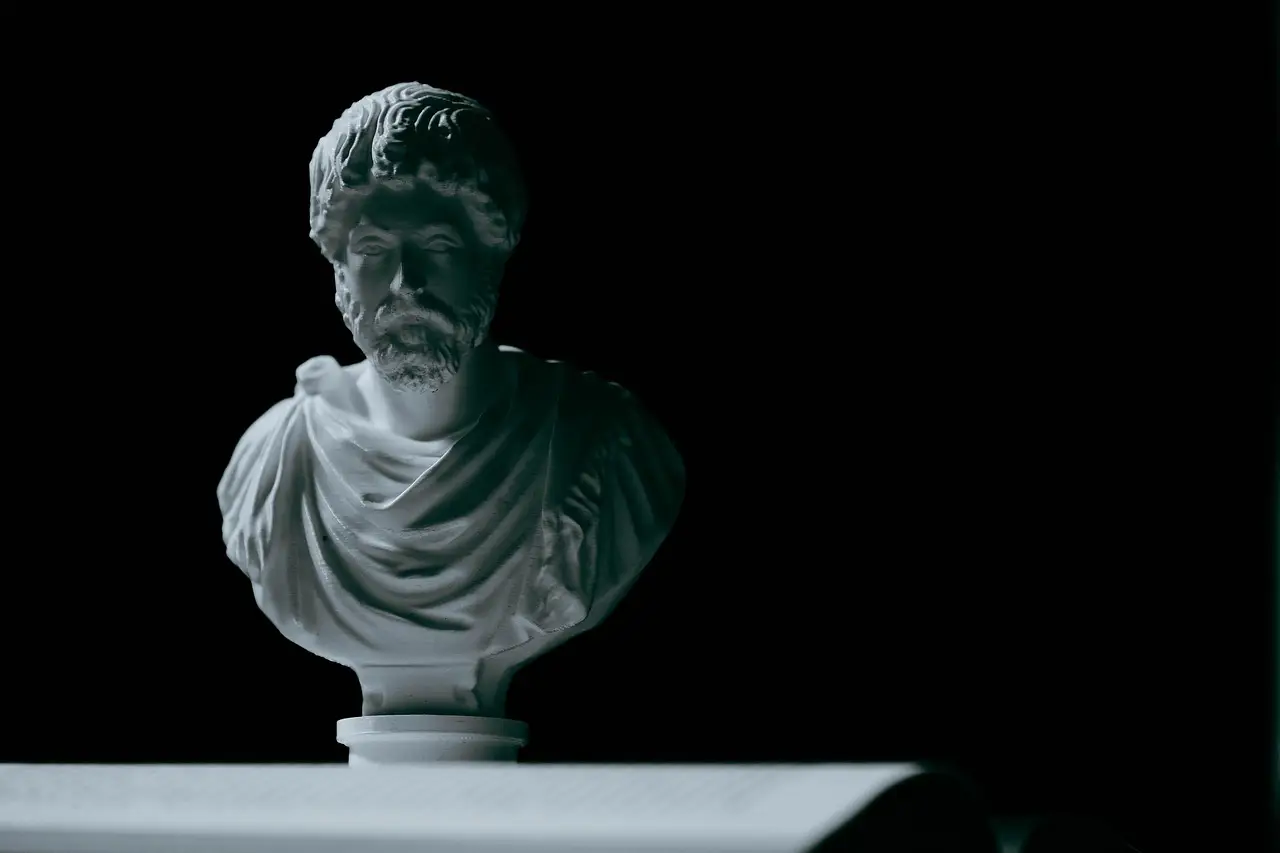
A new open-access, fully annotated edition of Plato's Alcibiades went live this week — the first release from the Open Plato Project, an initiative whose stated mission is "to widen the audience of people who are able to find joy and meaning" in ancient Greek philosophical texts.
For faculty who teach ancient philosophy, the practical stakes are straightforward. The digital edition is free, browser-based, and built with students in mind. It arrives with apparatus that usually sits behind a university press paywall or a Loeb subscription: commentary, a glossary, and a modular display that puts the Greek and English side by side.
What exactly does the edition include?
Marc Gasser-Wingate of Boston University, one of the scholars working on the project, described the release in his own words:
"This digital edition includes two new translations: one aimed at first-time readers, and another at those who might seek a deeper dive into the text. It includes accompanying commentaries, a glossary, and a modular display for both Greek and English text. We are still working on some additional features, including printable versions of the scholarly translation and commentary, and an audio recording of the dialogue."
Two translations, then, serving two distinct classroom populations.
The first targets first-time readers — the students in a 100-level survey who have never met a Platonic dialogue before and can be lost by stiff or archaizing renderings. The second serves readers who want a deeper dive into the text: likely upper-level undergraduates, graduate students, and colleagues working through the Greek.
The modular display matters for that second group. Anyone who has taught the Alcibiades knows the friction of juggling a Greek text in one window and an English translation in another, line numbers drifting out of alignment. A display built to hold both languages together, in a modular format, removes that small but persistent barrier to close reading.
A glossary rounds out the package — useful for students encountering terms like eros or phronesis for the first time, and handy as a shared reference when sections diverge on translation choices.
Who is behind the project?
The team is ten scholars strong, spread across a wide institutional range — from R1 departments to a software engineer with a liberal-arts teaching profile.
The roster includes:
- Marc Gasser-Wingate (Boston University)
- Sukaina Hirji (University of Pennsylvania)
- Robert Howton (Brooklyn Institute for Social Research; software engineer)
- Emily Kress (Brown University)
- Patricia Marechal (UNC Chapel Hill)
- Katy Meadows (Indiana University Bloomington)
- Evan Rodriguez (Idaho State)
- Gabe Shapiro (University of Michigan)
- Jacob Stump (Northeastern)
- Claudia Yau (University of Michigan)
That mix is worth noting. A project that pairs philosophers at Penn, Brown and Michigan with a working software engineer signals an editorial model where the digital infrastructure is treated as a first-class concern, not an afterthought bolted onto a print translation.
The collaboration also spans institution types — public flagships, private research universities, a regional campus, and the Brooklyn Institute for Social Research, an organization focused on making scholarship accessible outside traditional university walls. That breadth fits the project's stated mission of widening access.
What's still in the pipeline?
Not everything is finished. Gasser-Wingate flagged two features still under construction: printable versions of the scholarly translation and commentary, and an audio recording of the dialogue.
The printable versions matter for course design. Faculty who want students to annotate on paper, or who teach in rooms with unreliable Wi-Fi, still need a text that can be printed and distributed. An audio recording opens a different door — an accessible format for students with certain accommodations, and a resource for anyone who wants to hear the dialogue performed rather than read silently.
More texts are coming
The Alcibiades is the first dialogue out, but the project has made clear it won't be the last. The team aims to release other texts in the future, though no titles or dates for subsequent releases have been announced yet.
For now, the open Alcibiades stands on its own: two translations, commentary, glossary, dual-language display, no paywall, and a promise of more to come. Faculty planning spring syllabi in ancient philosophy may want to look at it before ordering textbooks.
openplato.org (Original)
More from Tom Whitfield
Show full bio
News editor covering technology and product news in Faculty News is the daily press of the at Faculty News.
38 articles