MIT tops interdisciplinary rankings as Asia holds three top-10 places
MIT remains first in the 2027 Interdisciplinary Science Rankings, but Asian institutions now hold three top-10 places. The expanded field covers 1,058 universities, with funding driving gains.
Key takeaways
- MIT ranked first for a third consecutive year in the 2027 Interdisciplinary Science Rankings.
- The United States held six top-10 positions, while Asian institutions held three.
- The field expanded to 1,058 institutions across 102 countries or territories.
- Seven Asian universities reached the global top 20, up from five in 2026.
- Hong Kong posted the highest average overall score, 74.4, among countries with at least five ranked universities.
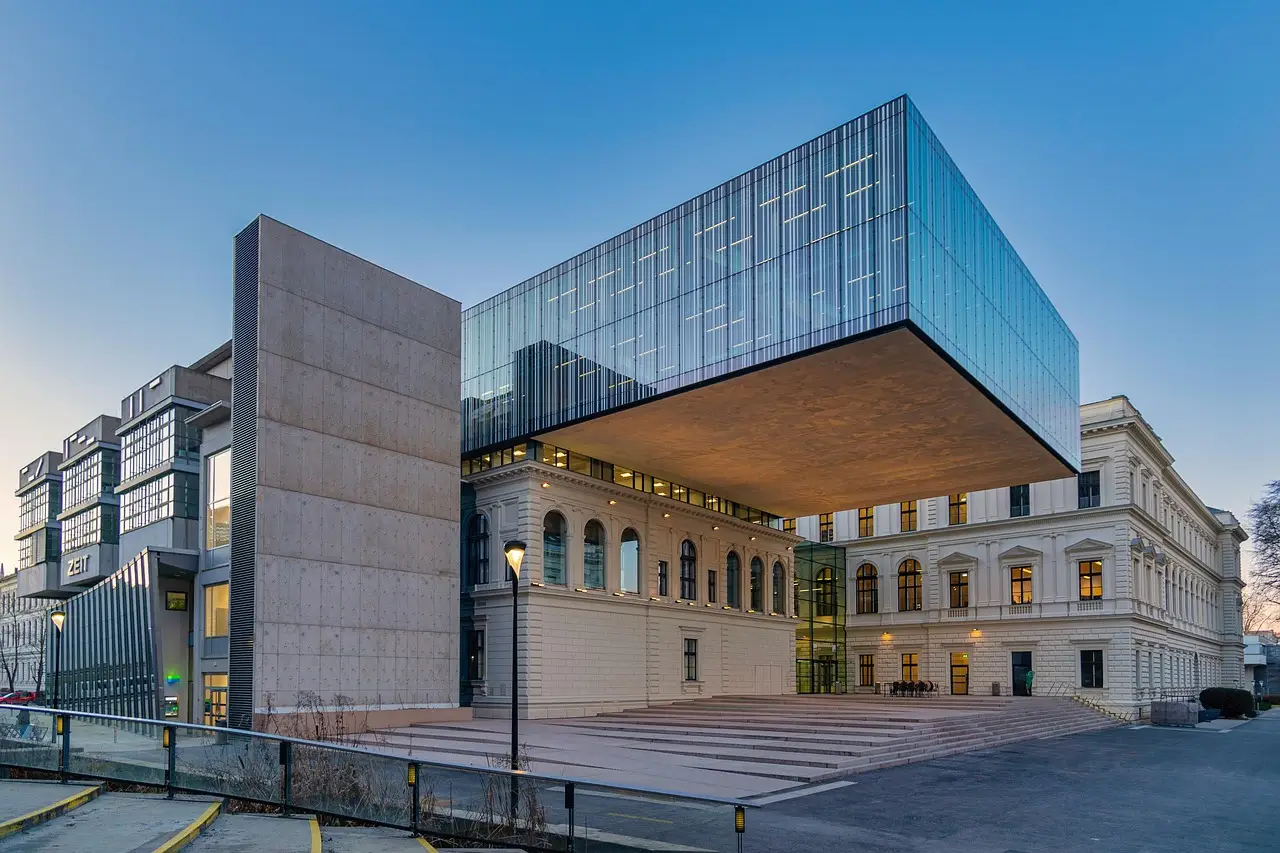
The 2027 Interdisciplinary Science Rankings place six of the top 10 universities in the United States and three in Asia, while expansion lifts the field to 1,058 institutions from 102 countries or territories.
MIT remains first for a third consecutive year. National University of Singapore rose from eighth to second, pushing Stanford University to third, while the University of Hong Kong climbed from joint 32nd to joint seventh.
US institutions hold one fewer top-10 place than in 2026 because Asian universities rose.
Who holds the top 10?
- Massachusetts Institute of Technology, United States — 1st (1st in 2026)
- National University of Singapore, Singapore — 2nd (8th)
- Stanford University, United States — 3rd (2nd)
- California Institute of Technology, United States — 4th (3rd)
- Carnegie Mellon University, United States — 5th (did not participate)
- Duke University, United States — 6th (6th)
- Nanyang Technological University, Singapore — joint 7th (5th)
- University of Hong Kong, Hong Kong — joint 7th (joint 32nd)
- Wageningen University & Research, Netherlands — 9th (9th)
- University of California, Berkeley, United States — 10th (4th)
Takeaway: MIT retains the lead, while Asian institutions hold three top-10 places for the first time.
What does wider participation show?
Asian universities increased from five to seven in the global top 20. Asia has 47 institutions in the top 100, two fewer than in 2026 but more than North America’s 29 and Europe’s 16. Hong Kong and Saudi Arabia jointly rank third for the most top-100 universities, with six each, one more than in 2026.
Hong Kong recorded the highest average overall score among countries with at least five ranked institutions: 74.4. Total participation rose from 911 institutions across 94 countries or territories to 1,058 across 102.
Asia supplied 565 ranked institutions, up from 478, more than Europe’s 218 and Africa’s 113 combined. Increased Asian participation drove the overall surge. The top-100 count fell even as the Asian cohort grew, so the two measures describe different things.
Takeaway: Asia supplied most of the ranking’s new participants, which complicates direct comparisons with 2026.
How does the ranking measure interdisciplinary work?
Launched in 2024, the ranking is a Times Higher Education (THE) project in association with Schmidt Science Fellows, which works with the global scientific community to break down barriers to interdisciplinary science.
It benchmarks three areas: inputs, or project funding; process, including facilities and administrative support; and outputs, measured by research quality and reach. The three pillars contain 11 metrics.
THE and Schmidt Science Fellows also published an analysis paper drawing on data from participating institutions.
Takeaway: The score combines money, infrastructure and research results rather than one institutional signal.
What do the funding inputs show?\n
Hong Kong and Singapore lead average input scores at 86.5 and 82.5, although each has fewer than 10 ranked institutions. China, Taiwan, South Korea and Saudi Arabia also rank in the top 10, each with at least 10 universities. Asia posted the largest improvement.
The University of Hong Kong scored 90.8 out of 100. Two metrics drive the pillar: the share of science, technology, engineering and mathematics funding directed to interdisciplinary research, and STEM industry funding normalised by staff numbers.
Sam Armenta Butt, THE’s senior data scientist, said the industry measure matters “because typically when industry funds academic research it has specific problems in mind that require interdisciplinary solutions”.
The figures need caution because the Hong Kong and Singapore averages rest on fewer than 10 institutions, while the available account does not disclose the calculation details for the funding metrics.
Takeaway: Asian funding strength is visible, but the country averages come from small institutional pools.
What do process and output scores show?
Oceania has the strongest regional average in process, but its group contains only five ranked universities. Nine US institutions appear among the 13 occupying the top 10 process positions after joint rankings, suggesting established research structures.
North America posted the strongest regional output average at 62.3, slightly below last year. Wageningen University & Research led the output pillar and remained Europe’s only institution in the overall top 10.
Takeaway: US strength rests heavily on process, while Wageningen leads on research output.
Why have Hong Kong and Singapore gained ground?
THE links Asia’s rise to greater funding and an industry-research environment that prioritises interdisciplinary work. Philip Altbach, emeritus professor at Boston College’s Center for International Higher Education, said Singapore and Hong Kong run small but well-funded systems with consistent government support; Armenta Butt singled out central interdisciplinary support.
Hang Seng University president Joshua Ka Ho Mok credited Hong Kong’s rise to several years of hard work and continued university investment.
Hong Kong’s Areas of Excellence and Theme-Based Research schemes direct awards toward government-identified challenges. Singapore’s National Research Foundation supports interdisciplinary projects framed around grand challenges, including sustainability, AI and human health.
Gan Chee Lip, Nanyang Technological University’s deputy provost for education, said: “Real-world problems are not defined by discipline.” Top-down funding has produced a bottom-up culture of formal collaboration, he said. NTU offers an interdisciplinary PhD and scholarships for graduate students working across disciplines.
Altbach also linked the results to international teams and selective hiring: institutions recruit carefully from the global market, pay reasonably and integrate scholars into local academic life, building a collegiate character. Mok tied Hong Kong’s recruitment strategy to high annual overseas hiring and diverse cultural and academic backgrounds.
Mok said international students, facing a changing labour market, are moving from traditional disciplines toward multiple perspectives. Hong Kong scores 88.7 on industry funding and ranks highly on both input metrics. Employers value the problem-solving and teamwork developed by scholars working across fields and with different backgrounds, he said, skills beyond generic or disciplinary knowledge.
Takeaway: Public support, targeted awards, cross-disciplinary training and international hiring offer plausible explanations, but the ranking does not isolate cause and effect.
Google News · Higher Education (Source)
More from Elena Vasquez
Show full bio
Staff writer covering technology and product news in Faculty News is the daily press of the at Faculty News.
40 articles