Legal Row Behind Australia's Campus Racism Report Exposed by FOI Papers
FOI papers reveal the AHRC ordered ANU's Polis centre to pull a 420-page report finding its racism survey was skewed by response bias, weeks before new campus standards take effect.
Key takeaways
- The AHRC issued a 'notice of breach' on 20 February ordering Polis to remove its 420-page technical report from the web.
- The technical report concluded response bias meant the survey overstated the incidence of campus racism.
- New racism standards binding universities from January feed an estimated A$500 million annual regulatory burden.
- Polis director Matthew Gray reposted the amended report on 10 March after removing university respondent counts.
- Four of eight FOI documents were released after ANU waived a A$1,400 fee.
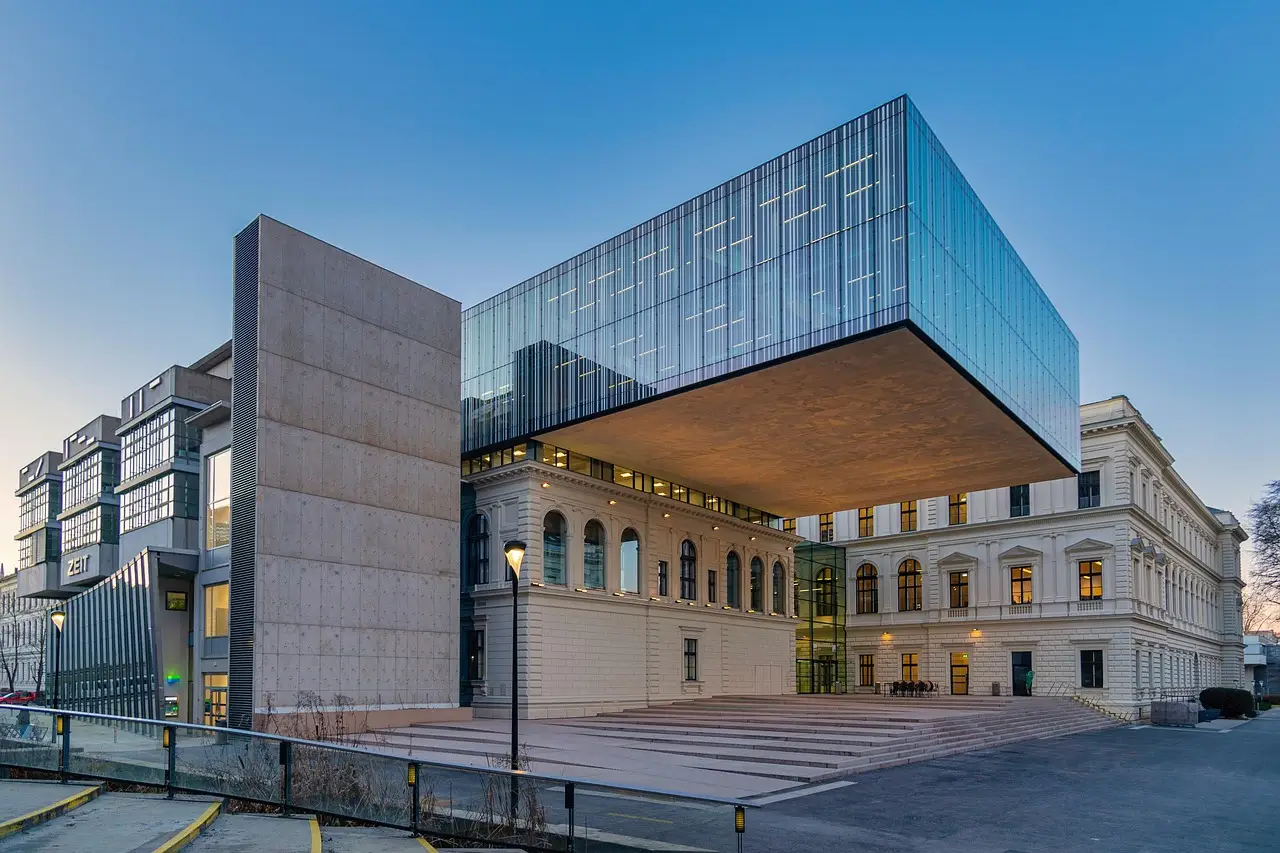
Australia's human rights watchdog ordered a university research centre to "immediately" pull a 420-page technical report from the web, newly released freedom-of-information documents show, because that report undercut the survey underpinning a national crackdown on campus racism.
The papers, published on the Right to Know website after the Australian National University waived a A$1,400 processing fee, chronicle a legal dispute between the Australian Human Rights Commission (AHRC) and ANU's Centre for Social Policy Research, known as Polis. Four of eight documents in the row have been released, one partly redacted.
The AHRC had contracted Polis to run a nationwide survey on campus racism. Its findings fed the commission's "Racism@Uni" report, published on 17 February, which declared racial discrimination "pervasive" and "deeply entrenched" in universities. "The results of our study are sometimes harrowing reading," the report warned.
What does the new regulatory burden require?
The report helped trigger a regulatory response. From January, universities will be bound by standards requiring them to define at least three subtypes of racism and to create an environment where "systemic, cultural and interpersonal forms" of discrimination are "clearly specified and understood".
Those requirements are unique to higher education, and they add to a mounting compliance load that costs institutions an estimated A$500 million (£253 million) a year while pulling staff away from teaching and research.
The takeaway: the report's influence on regulation is real, and so is its price tag.
What did the technical report actually say?
Here the story turns. Polis published its own 420-page technical report, plus a thematic analysis of qualitative responses. Its key finding: "the high levels of interpersonal racism reported at universities reflect wider racism across the Australian community, rather than simply being specific to universities."
The technical report also estimated response bias (the distortion that occurs when people with relevant experiences are more likely to answer a survey). It concluded the survey overstated the incidence of campus racism, because people with personal experience of racial discrimination were significantly more likely to have responded.
The AHRC's own report, meanwhile, contained an anomaly. It acknowledged "complexities" in categorising certain racial groups and directed readers to the "Polis survey data report" at "Appendix E". Only appendices A, B, C and D appeared. The commission had originally intended to include the survey data as an appendix, the documents show, but changed course after Polis published its own report.
In short: the appendix that was promised never existed in the published document.
What did the commission's 'notice of breach' demand?
On 20 February, three days after publishing its report, the AHRC issued a "notice of breach" ordering Polis to remove the technical report from its website. The letter cited contractual breaches around "intellectual property" and "confidential information", and demanded that future publications referring to the technical report "must be provided to the commission for our review".
"Written approval must be received by ANU prior to publication," it added.
The letter pointed to "university-specific data" in the Polis report, noting the AHRC had guaranteed institutional-level data would not be reported. "This was an important part of universities agreeing to participate in the project," it said.
How did ANU's researchers respond?
In a briefing to interim vice-chancellor Rebekah Brown, Polis director Matthew Gray said the technical report had contained no compromising detail, such as institutional-level racism rates. It had simply noted the number of respondents from each university.
"This information is not confidential," Gray told Brown. "I do not believe…we did anything wrong."
He removed the figures anyway. The technical report was reposted on the Polis website on 10 March, and the AHRC deleted its references to "Appendix E" from its own report.
Gray drew one line. He told Brown he had rejected other changes the AHRC requested because they "would have undermined the integrity" of the technical report "and breached academic standards". ANU refused to release the attachment detailing those requests, citing legal professional privilege.
The bottom line: the commission got its redactions, but the document explaining what else it wanted stays sealed.
Google News · Higher Education (Source)
More from Tom Whitfield
Show full bio
News editor covering technology and product news in Faculty News is the daily press of the at Faculty News.
38 articles