Gillette College Reports FTE Growth of 4.4% Despite Flat Headcount
Gillette College FTE enrollment rose 4.4% to 1,092 despite a 0.97% headcount drop, trustees learned Nov. 18. Draft assurance arguments are due Dec. 15 ahead of the 2027 accreditation visit.
Key takeaways
- FTE enrollment grew 4.4% from 1,046 to 1,092 between fall 2023 and fall 2026 while headcount fell 0.97% to 1,430.
- Draft assurance arguments for Higher Learning Commission accreditation are due Dec. 15; a formal visit follows in September 2027.
- Enzi Building construction bids are due Dec. 3, with trustees set to consider the guaranteed maximum price Jan. 6, 2027.
- Dual and concurrent high school FTE enrollment rose 25.9% in fall, from 332 to 418.
- 39% of Campbell County high school graduates — 53 of 530 — enrolled in at least one credit course in fall 2026.
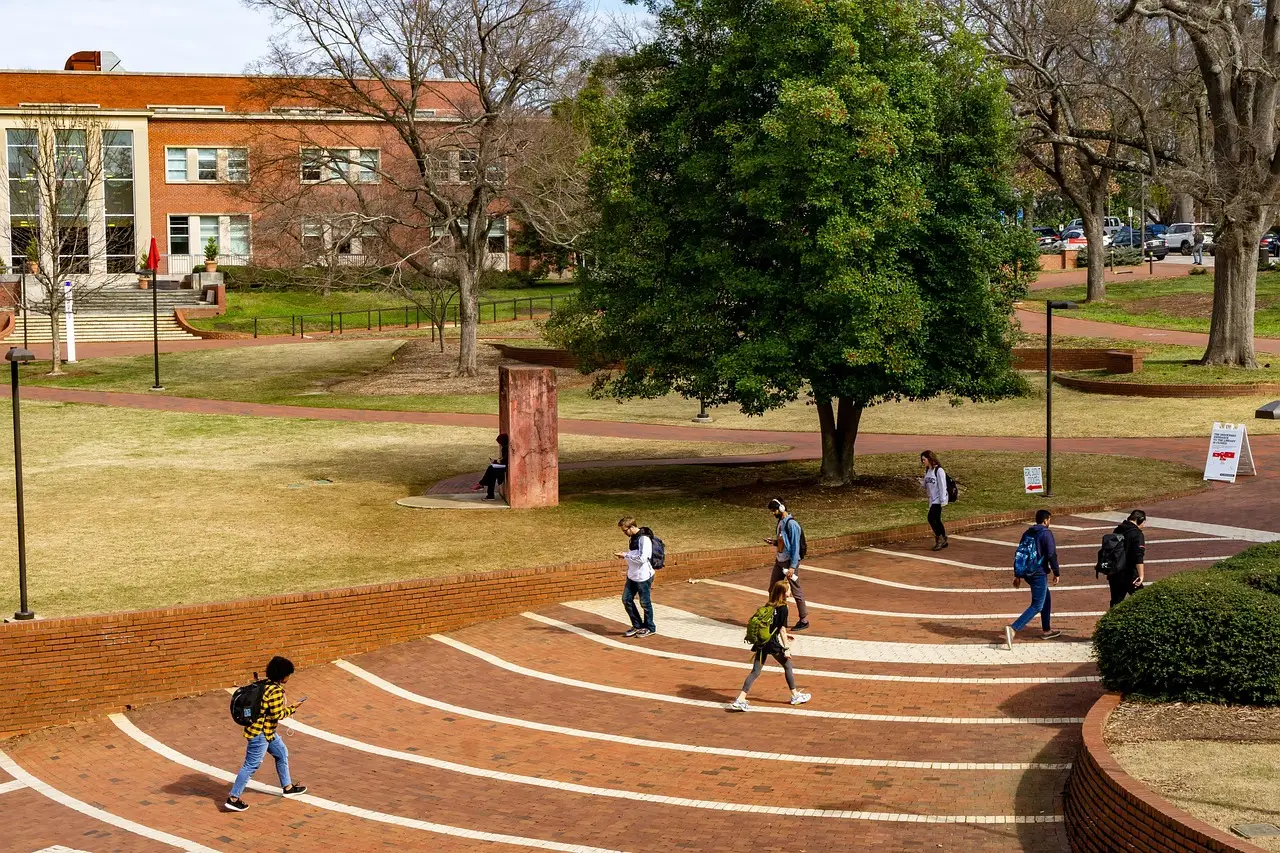
Full-time equivalent enrollment at Gillette College rose 4.4 percent between fall 2023 and fall 2026, from 1,046 to 1,092, even as headcount fell slightly. Institutional Research Director Roger Humphrey presented the figures to the Gillette Community College District Board of Trustees at its regular meeting Wednesday, Nov. 18, at the Technical Education Center in Gillette, Wyo.
Headcount declined 0.97 percent over the period, from 1,444 students to 1,430. The college's FTE-to-student ratio climbed to 76.4 FTEs per 100 students, which means students now carry heavier credit loads on average. Spring enrollment told a stronger story: headcount grew 1.46 percent, from 1,236 to 1,254, while FTE enrollment jumped 12.16 percent, from 855 to 959.
What drove the enrollment shift?
Dual and concurrent enrollment among high school students delivered the largest gains. Fall dual and concurrent FTE enrollment rose 25.9 percent, from 332 to 418, while headcount in those programs grew 3.54 percent. Spring FTE enrollment in the category surged 39.57 percent, from 235 to 328.
The report showed 39 percent of Campbell County high school graduates — 53 out of 530 — took at least one credit course at Gillette College in fall 2026. Across the college's 20 main academic programs, enrollment has averaged roughly 767 students over five years.
Degree-seeking enrollment declined 5.41 percent, from 721 students in fall 2023 to 682 in fall 2026. Humphrey attributed much of the drop to the phase-out of third-party online degree programs previously offered through Sheridan College and the Northwest College District.
Program-level growth between fall 2022 and fall 2026 included:
- Business associate's degree: up 19.4 percent, from 67 to 80 students
- General Studies: up 8.6 percent, from 128 to 139 students
- Welding Technology: up 26.3 percent, from 19 to 24 students
- General Science: up 66.7 percent, from six to 10 students
- Industrial Electrical: up 7.7 percent, from 39 to 42 students
Most students stay close to home. Humphrey reported 86.2 percent of enrollees are Campbell County residents. Out-of-state enrollment rose 14.1 percent over four years, from 78 to 89 students, and international enrollment grew 20 percent, from 25 to 30.
Where does accreditation stand?
College President Janell Oberlander briefed trustees on progress toward accreditation through the Higher Learning Commission, the regional body that certifies degree-granting institutions. After the commission approved the college's provisional plan, GCCD submitted a request to pursue initial accreditation without candidate status concern.
The college faces a Dec. 15 deadline to submit its draft assurance arguments, the written self-study documents reviewers use to evaluate compliance. A practice visit is planned for May 2027, with the formal accreditation visit to follow in September.
Oberlander also outlined the college's plans for artificial intelligence. A seven-member campus task force has produced a plan running through December 2027 that focuses on responsible AI use in classrooms and college operations. College representatives will participate in the League of Innovation AI Fellows Program from January through April 2027. The college has also begun work on a Rural Health Transformation Grant application with the Wyoming Innovation Partnership, aiming to fund expansion of its nursing, behavioral health and certified nursing assistant programs.
What is next for the Enzi Building?
Contractors met for a pre-bid meeting on the Enzi Building project Nov. 16, and construction bids are due Dec. 3 at 2 p.m. Bids will be opened publicly in the Main Building Presentation Hall. The Executive Design Committee reviews the submissions Dec. 15, and a board workshop follows Dec. 16. Trustees convene again Jan. 6, 2027, to consider approving the project's guaranteed maximum price.
In other business, trustees heard about a project that paired Area 59, the campus makerspace led by Ellen Peterson, with the New Orleans nonprofit Make Good to build a custom mobility chair for a 13-month-old child named Colton. The effort required more than 300 hours of 3D printing, with community members volunteering their own printers to speed the work. Students from the campus Diesel Club assembled the printed parts, and the finished chair was delivered to Colton at Rehab Solutions.
The board approved its regular agenda and consent agenda, covering the Oct. 21 meeting minutes and executive session, the Nov. 13 staffing report and the October financial dashboard. The takeaway: Gillette College enters the new year with rising credit loads, firm accreditation deadlines and a construction decision pending in early January.
Google News · Higher Ed Policy & Funding (Source)
More from James Calloway
Show full bio
Correspondent covering regulation, policy and their impact on Faculty News is the daily press of the at Faculty News.
43 articles