20-16 vote advances foreign medical accreditation transfer to HHS
H.R. 9605, reported Nov. 5 after a 20-16 committee vote, would move foreign medical school accreditation to HHS, shift personnel and appropriations, and require OMB to certify no net FTE increase.
Key takeaways
- H.R. 9605 cleared the Education and Workforce Committee 20-16 and was reported Nov. 5 as H. Rept. 119-870.
- The bill would transfer all Education Department functions and authorities over the National Committee on Foreign Medical Education and Accreditation to HHS, along with related personnel and appropriations.
- OMB must ensure the transfer creates no net increase in full-time-equivalent employees at either the Education Department or HHS.
- Grothman introduced the bill July 9; Rep. Michael Rulli became its lone cosponsor Aug. 20, and no Democrat cosponsored it.
- H.R. 9605 is one of 10 package bills and awaits House floor action; any Senate action would be separate.
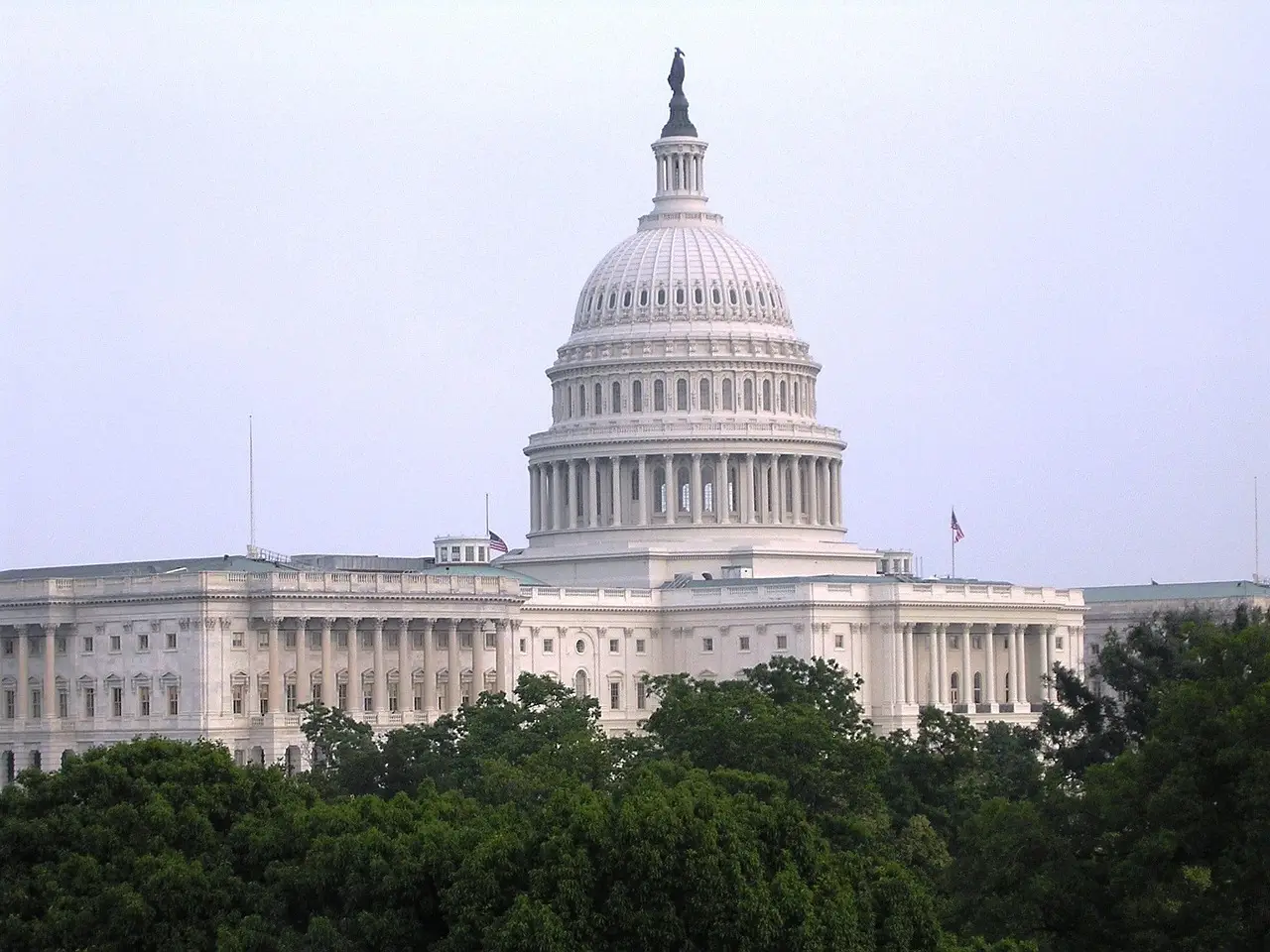
A 20-16 House committee vote moved H.R. 9605 to the Union Calendar (the House queue for floor consideration). The bill now awaits a vote. Rep. Glenn Grothman’s measure would transfer oversight of foreign medical school accreditation from the Department of Education to the Department of Health and Human Services, or HHS.
Rep. Glenn Grothman (R-WI-6) introduced H.R. 9605, the Less Bureaucracy, Better Foreign Medical Accreditation Act, on July 9. The committee considered and amended the bill July 15, then ordered it reported, as amended, by a 20-16 yeas-and-nays vote. It emerged Nov. 5 as H. Rept. 119-870 and became Calendar No. 767.
Rep. Michael Rulli (R-OH-6) joined Aug. 20 as the lone cosponsor. The bill has no Democratic cosponsors.
Who would oversee foreign medical schools?
H.R. 9605 would transfer all Education Department functions and authorities over the National Committee on Foreign Medical Education and Accreditation to HHS. The panel (the body that determines whether foreign medical schools use accreditation standards comparable to those applied to U.S. medical schools) would move to HHS.
Related personnel and appropriations (the funding attached to the program) would move with the work. The bill would write an administrative partnership into statute.
At the July 15 markup, Grothman argued for the move because “a quarter of U.S. physicians attended foreign medical school,” with many relying on federal student aid. His press release said the program would sit in the agency “best equipped to oversee medical education.”
In plain terms, HHS would house the committee that reviews foreign medical schools.
What moves with the program?
On Nov. 18, 2025, the Education Department announced an interagency agreement (a formal arrangement between agencies) under which HHS supplies subject-matter expertise, coordinates committee meetings and manages its technology systems. The bill would make that administrative partnership statutory.
The bill also adds a staffing condition. The Office of Management and Budget (OMB, the federal budget office) must ensure the transfer produces no net increase in full-time-equivalent (FTE, a standardized staffing measure) at either department. OMB must also certify compliance to specified congressional committees.
Suits, proceedings and applications pending on the date of enactment would remain unaffected.
In plain terms, the bill moves the program and its resources, but bars any net staffing increase at either department.
Why do the parties disagree?
The measure is one of 10 bills in the committee’s “Less Bureaucracy, Better Education” package. The committee described the package as an effort to begin codifying the Trump administration’s approach to shifting education work to other agencies. On July 13, Inside Higher Ed characterized the package in the same terms.
Republicans say the move places the accreditation program where it fits best. The Education and Workforce Committee’s post on X called strong accreditation standards “essential.”
Committee Democrats see a larger strategy. They characterized H.R. 9605 as codifying the administration’s transfer of work and as part of an effort to dismantle the Education Department.
Rep. Suzanne Bonamici (D-OR-1) offered an amendment to the substitute (the working draft) and said in debate that the bill “attempts to transfer functions” from the Education secretary to the HHS secretary.
Rep. Haley M. Stevens (D-MI-11) called the proposal “ill-advised” and said these specific functions “should be retained.” The American Federation of Teachers opposed all 10 package bills, saying they “will increase bureaucracy.”
In plain terms, Republicans see a better fit; Democrats see a step toward dismantling the Education Department.
What happens next?
The next step is House floor consideration. Any Senate action would be a separate step. On Nov. 18, Sen. Mike Lee (R-UT) posted about a potential Senate package that includes a “Better Foreign Medical Accreditation Act.”
For lobbyists and staff, the immediate watchpoints are the movement of personnel and money to HHS and OMB’s certification that neither department ends up with more full-time employees overall. For academic leaders, the measure remains a pending proposal, not an enacted transfer. No transfer yet.
In plain terms, the House must vote before any transfer can occur.
Google News · Higher Ed Policy & Funding (Source)
More from Tom Whitfield
Show full bio
News editor covering technology and product news in Faculty News is the daily press of the at Faculty News.
38 articles