13 Swedish Universities Recruit in India as STEM Talent Race Widens
Thirteen Swedish universities recruited Indian postgraduates in October 2026 under a Strategic Partnership, a Joint Action Plan for 2026–2030 and a new AI corridor, widening the race for STEM talent.
Key takeaways
- 13 Swedish universities held Study in Sweden fairs in New Delhi and Hyderabad in October 2026, with events in four more Indian cities.
- India and Sweden agreed a Joint Action Plan for 2026–2030 following a May 2026 Strategic Partnership.
- The plan includes a virtual Joint Science and Technology Centre, Joint Innovation Partnership 2.0 and the SITAC AI corridor.
- The Swedish Ambassador said there are no plans for university campuses in India.
- Italy, New Zealand, Ireland and the Netherlands have also recently moved to boost Indian student mobility.
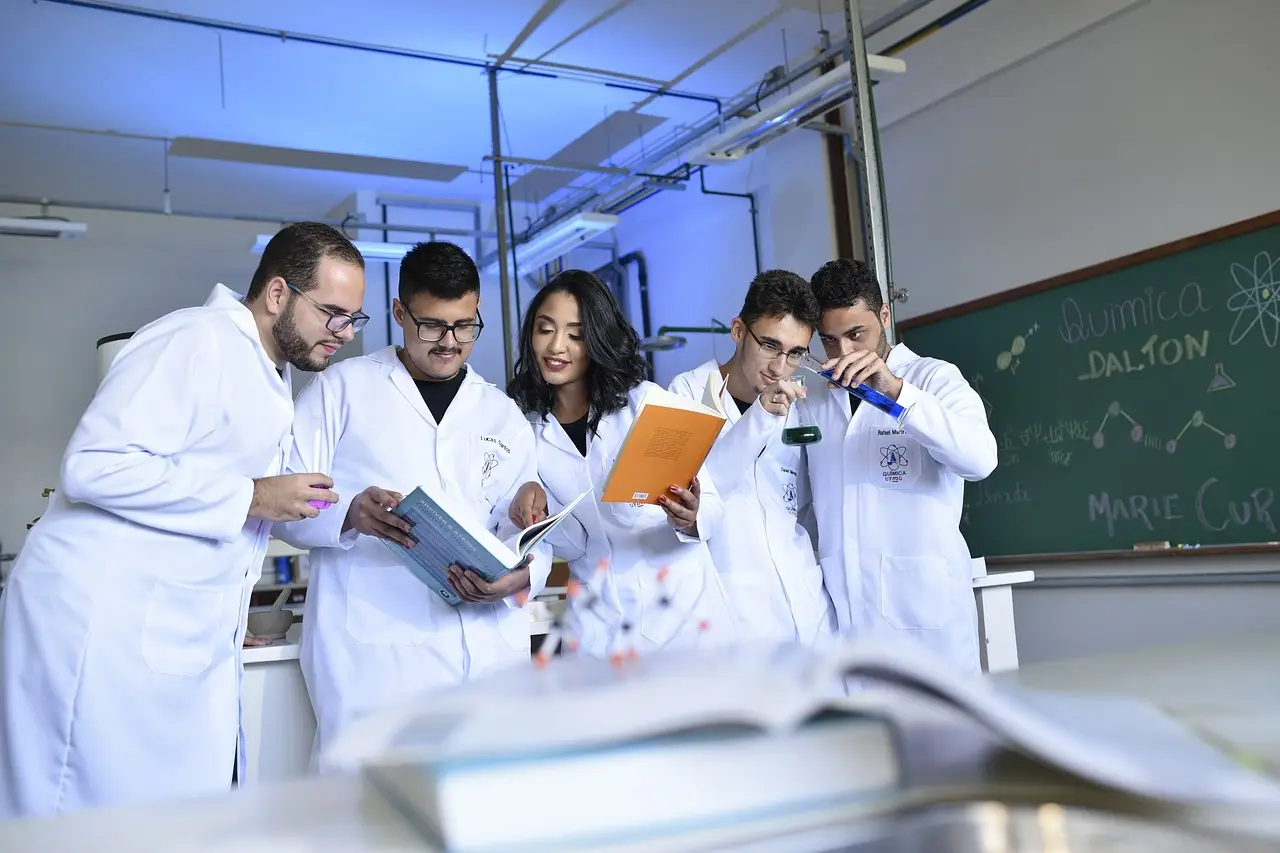
Thirteen Swedish universities traveled to India in October 2026 to recruit students at Study in Sweden fairs in New Delhi and Hyderabad. Recruitment events followed in Bengaluru, Chennai, Pune and Vijayawada. The campaign targeted postgraduate opportunities in STEM fields, research-intensive education, scholarships and industry-linked learning.
Sweden has set no numerical recruitment target for Indian students. The stated ambition is to increase the number of students, researchers and skilled professionals moving to Sweden. The Swedish Ambassador confirmed there are no plans to establish university campuses in India. Swedish universities remain mostly publicly funded institutions whose primary role is domestic education and research, not commercial expansion abroad. The takeaway: Sweden wants Indian talent inside its own system, not branch campuses on Indian soil.
What is driving the outreach?
The recruitment drive sits inside a broader bilateral architecture. In May 2026, India and Sweden elevated their relationship to a Strategic Partnership and agreed a Joint Action Plan for 2026–2030. The plan prioritises bilateral mobility of students, researchers and highly skilled professionals through two named initiatives, Study in Sweden and Work in Sweden.
The agreement also includes several new structures:
- A virtual India–Sweden Joint Science and Technology Centre.
- An upgraded Joint Innovation Partnership 2.0.
- Joint development of the Sweden–India Technology and Artificial Intelligence Corridor (SITAC) between Business Sweden and India AI Mission.
Priority research areas span AI, quantum computing, 6G, life sciences, biotechnology, renewable energy, sustainable mining and advanced technologies. The takeaway: this is a state-level talent and research agreement, not a marketing exercise by individual universities.
What does it mean for UK higher education?
Sweden's current overseas student intake, from India and globally, remains modest. Yet the campaign signals that competition for Indian students no longer comes only from traditional destination countries. Italy, New Zealand, Ireland and the Netherlands have also recently announced policies or signed agreements containing measures to increase Indian student mobility.
Sweden's model carries a specific appeal. Its emphasis on attracting STEM graduates and skilled professionals, backed by employment opportunities, offers an alternative destination for Indian postgraduate students who prioritise research careers and international work experience. UK departments recruiting in the same applicant pools should expect a growing set of rivals for the same candidates.
How should UK institutions respond?
The development deserves monitoring as part of the wider diversification of international higher education partnerships now under way in India, where study and work pathways for students and skilled professionals are multiplying. Two practical implications follow for UK universities.
First, they may want to ensure their own qualifications and research opportunities offer clear pathways into innovation and professional careers. Indian applicants weigh employability and research trajectory heavily, and Sweden is marketing exactly that combination.
Second, UK institutions can explore trilateral collaborations with Swedish and Indian institutions, particularly in areas of complementary research strength. The SITAC corridor and the virtual science and technology centre create named bilateral structures that a third-country partner could engage with. The takeaway: UK universities that package degrees with visible routes into research careers will compete best against this new Nordic entrant.
Google News · Higher Education (Source)
More from James Calloway
Show full bio
Correspondent covering regulation, policy and their impact on Faculty News is the daily press of the at Faculty News.
43 articles