UW chancellor finalist Radenka Marić pledges support for free expression
UConn president and UW chancellor finalist Radenka Marić outlined priorities on shared governance, affordability, workforce development and free expression during Friday’s Memorial Union forum.
Key takeaways
- Three finalists were selected to interview for the next UW chancellor.
- Marić spoke at Memorial Union on Friday, last among the three candidates that week.
- Marić named three significant challenges: public trust, college affordability and student mental health.
- Her priorities included collaboration, financial stability, research, student success and adaptation.
- At Friday’s forum, Marić said: “Free expression should never be stopped.”
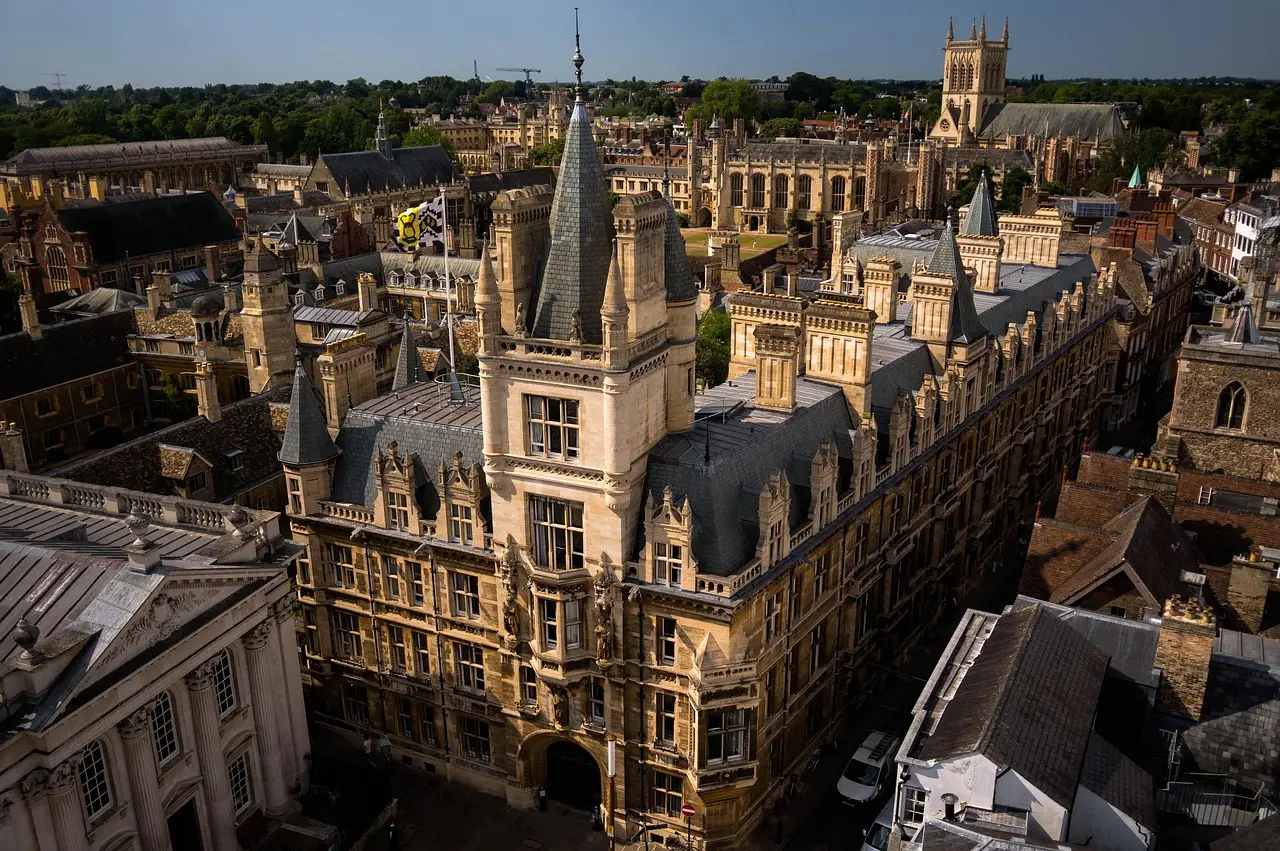
Three finalists were selected to interview for the next University of Wisconsin chancellor (the university’s chief executive), and Dr. Radenka Marić spoke at Memorial Union Friday as the last candidate in this week’s forum series.
What did Marić present as her leadership priorities?
The campus community and the UW Board of Regents (the university’s governing board) submitted questions for Dr. Marić, the University of Connecticut president. Her remarks covered collaboration, financial stability, UW’s research and student-success commitments, and adaptation to change.
Marić outlined five priorities:
- Collaboration.
- Financial stability.
- Continued support for research and student success.
- Adaptation to changing conditions in higher education.
- Academic freedom, shared governance and service to Wisconsin communities.
Academic freedom and shared governance (faculty, staff and student participation in decisions) remained central to her platform. Her answers connected those commitments to a practical test: whether UW can adapt its operating model while preserving research, student success and financial stability throughout.
Her approach to shared governance placed students, faculty, staff and student-government organizations inside decision-making. Marić said their involvement improves communication and helps university leaders deliver.
“Student government is very important because in order for any president or chancellor to deliver, we have to have the mind of the people,” Marić said. She added that leaders would need the community at the table and would have to earn its trust.
Her first message was straightforward: broad participation and effective leadership must reinforce each other.
What are the higher-education pressures she considers most urgent?
Marić identified three significant concerns:
- Public trust.
- College affordability.
- Student mental health.
She said universities must demonstrate their value through career development, with internships and research experiences helping students prepare for employment while supporting multiple academic disciplines. Staff and student-athlete well-being also appeared among her priorities for university leadership.
Marić connected that agenda to the Wisconsin Idea (UW’s public-service educational philosophy) and UW’s status as a land-grant institution (a public education and research mandate) and flagship university. Her remarks emphasized social mobility and the broad benefit of higher education. She said the Wisconsin Idea’s role in UW’s culture inspired her acceptance of the chancellorship nomination.
Her platform connects institutional credibility with access, affordability and preparation for work.
How would she balance workforce preparation and academic breadth?
The forum asked how Marić would balance workforce development with investments in the humanities and arts. Her answer joined support for multiple academic disciplines with partnerships with industries, placing workforce development alongside humanities and arts and academic breadth across the university.
That answer gave workforce development a broader institutional role. Support for multiple disciplines remained central to her approach. The two aims stayed linked within one university mission.
Her model places workforce preparation and academic breadth on the same institutional agenda.
What did she say about free expression and disagreement?
Students gathered outside Memorial Union before the forum to protest Marić. They criticized her handling of the Israel-Palestine conflict at the University of Connecticut. They also objected to her work with the Federal Bureau of Investigation (FBI) to address student activism.
Marić said universities must give students and faculty room to express diverse opinions, while also encouraging respectful disagreement, academic freedom (protection of scholarly inquiry and expression), and free expression (open exchange of ideas). She also called for campus environments that provide a sense of belonging. “Free expression should never be stopped,” she said.
Her answer connects open expression with the obligation to disagree respectfully and maintain a sense of belonging.
What would she prioritize at UW?
Her priorities called for UW to serve students and surrounding communities, with opportunities for success during and after their time on campus as a central obligation. She said every student who comes to the university has the opportunity to succeed.
She also returned to collaboration, research, student success and adaptation. Together, those priorities connect institutional performance with service to students and communities.
The case she presented rests on trust, access, broad participation and a statewide mission.
Google News · Higher Education (Source)
More from James Calloway
Show full bio
Correspondent covering regulation, policy and their impact on Faculty News is the daily press of the at Faculty News.
43 articles