Harvard Non-Tenure-Track Faculty End Strike After Raise Doubles
Harvard's non-tenure-track faculty ended their strike after the university doubled its raise offer to 7 percent, but the union has not settled a contract. The graduate student strike reached day 22.
Key takeaways
- Non-tenure-track faculty at Harvard ended their strike Tuesday after the raise offer doubled from 3.5 percent to 7 percent.
- The offer includes a one-time bonus of 1.5 percent, with the raise taking effect upon contract ratification.
- The Harvard Graduate Student Union strike entered its 22nd day Wednesday.
- Graduate students and the university remain divided over wages, protections for international workers, and harassment and discrimination grievance processes.
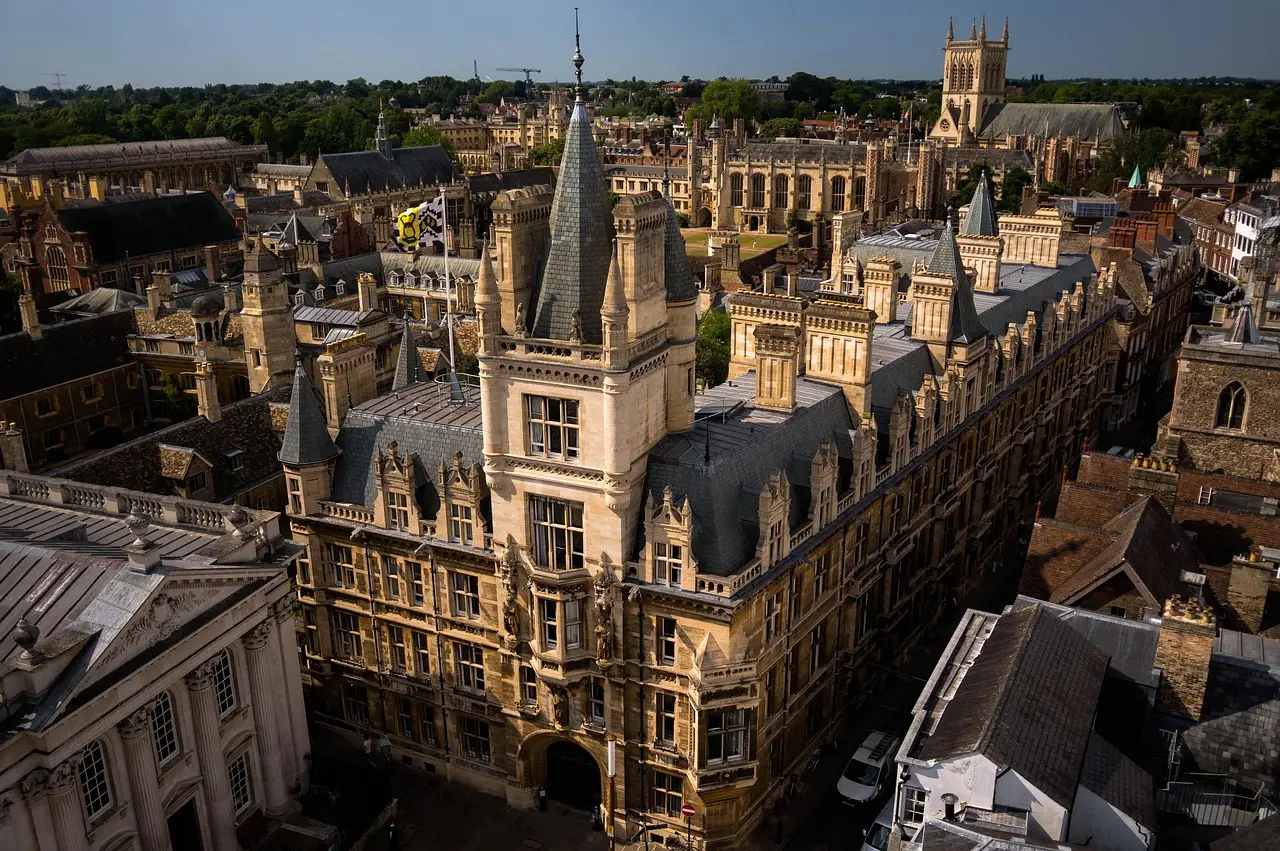
Non-tenure-track faculty at Harvard University ended their strike Tuesday after the administration doubled its raise offer from 3.5 percent to 7 percent. Members of Harvard Academic Workers–United Auto Workers voted to return to work, The Harvard Crimson reported, but the bargaining unit (the group of employees a union legally represents in negotiations) has not yet reached a contract agreement with university officials.
What did Harvard put on the table?
The university's revised package contains two components. The first is an across-the-board raise of 7 percent that takes effect when the contract is ratified, up from the 3.5 percent increase previously offered. The second is a one-time bonus of 1.5 percent.
That combination proved sufficient to move union members off the picket line. J. Gregory Given, a teacher in the Harvard College Writing Program, told the Crimson that the membership voted to return to work on the strength of the new numbers.
"The offer that admin brought was substantial and is a significant improvement on what they'd offered last week," Given said. "A significant enough improvement to call off the strike, in fact, but not good enough to settle yet."
His distinction matters for faculty observers. Ending a strike is not the same as settling a contract, and the bargaining unit retains leverage until ratification.
The gap between the two positions narrowed by half in a single week. The previous offer of 3.5 percent had drawn a strike; the new offer of 7 percent plus the 1.5 percent bonus drew members back to the classroom.
For non-tenure-track faculty elsewhere, the episode illustrates the arithmetic of first-contract negotiations, where percentage raises and one-time bonuses serve as separate instruments in reaching a settlement.
The takeaway: Harvard doubled its wage offer, and striking faculty went back to work without signing a deal.
Why is there still no contract?
A return to work does not close the file. Harvard Academic Workers–United Auto Workers and university officials continue to bargain toward a full agreement, and the 7 percent raise is contingent on ratification of that agreement.
The union's decision to resume teaching while talks continue reflects a common calculation in academic labor disputes. Strikes impose costs on students and institutions alike, and a membership can judge an offer substantial enough to pause job action while still falling short of a final settlement.
Given's assessment captured that position directly. The offer improved significantly over the prior week's proposal, he said, yet it remained, in the union's view, inadequate for a complete resolution.
The negotiations cover workers who teach a substantial share of Harvard's undergraduate coursework, including writing program instructors like Given. Their bargaining unit operates under the United Auto Workers umbrella, which represents academic employees at a growing number of private universities.
The takeaway: the strike is over, but the contract talks are not.
What about the graduate student strike?
A second Harvard work action continues. The Harvard Graduate Student Union strike entered its 22nd day on Wednesday, making it one of the longer academic stoppages at the university in recent memory.
That union remains at odds with university officials on three fronts:
- Wages. Compensation remains a central point of disagreement between the graduate union and the administration.
- Protections for international workers. Graduate employees on visas are seeking specific safeguards in the contract.
- Grievance processes. The union is pressing for formal procedures covering harassment and discrimination claims.
The simultaneous disputes place sustained pressure on Harvard's labor relations operation, with one strike resolved in principle and another still active. The graduate students' 22-day stoppage, with three unresolved issue areas, suggests the administration's concession to the non-tenure-track unit has not translated into movement on the second front.
The takeaway: Harvard still faces an open strike among its graduate student workers, now in its fourth week.
For faculty senates and bargaining-unit members tracking the case, the central lesson is procedural. A doubled raise offer and a one-time bonus ended one strike in a day; the remaining dispute shows that settlement requires agreement across every open article of the contract.
Google News · Tenure & Promotion (Source)
More from James Calloway
Show full bio
Correspondent covering regulation, policy and their impact on Faculty News is the daily press of the at Faculty News.
43 articles